Creative play is a vital component of childhood development, serving as a foundation for cognitive, social, and emotional growth. Among various tools available for encouraging this creative play, foam blocks stand out for their versatility and ability to inspire imagination in young children. This article explores the significance of creative play, the unique benefits of foam blocks, and how they can enhance various aspects of a child’s development.
The Importance of Creative Play in Early Childhood Development
Creative play encompasses a range of activities that allow children to express themselves freely. It is crucial for numerous reasons:
- Cognitive Development: Engaging in creative play helps children develop problem-solving skills and critical thinking.
- Social Skills: Cooperative play encourages communication, teamwork, and conflict resolution.
- Emotional Growth: Creative activities allow children to process their feelings and express their emotions in a safe environment.
- Physical Development: Manipulating objects enhances fine motor skills and coordination.
Research shows that children who engage in creative play demonstrate higher levels of creativity and adaptability as they grow. According to a study published in the journal “Child Development,” play-based learning significantly enhances children’s skills in creativity, social interaction, and emotional regulation.
Foam Blocks: A Tool for Endless Imagination
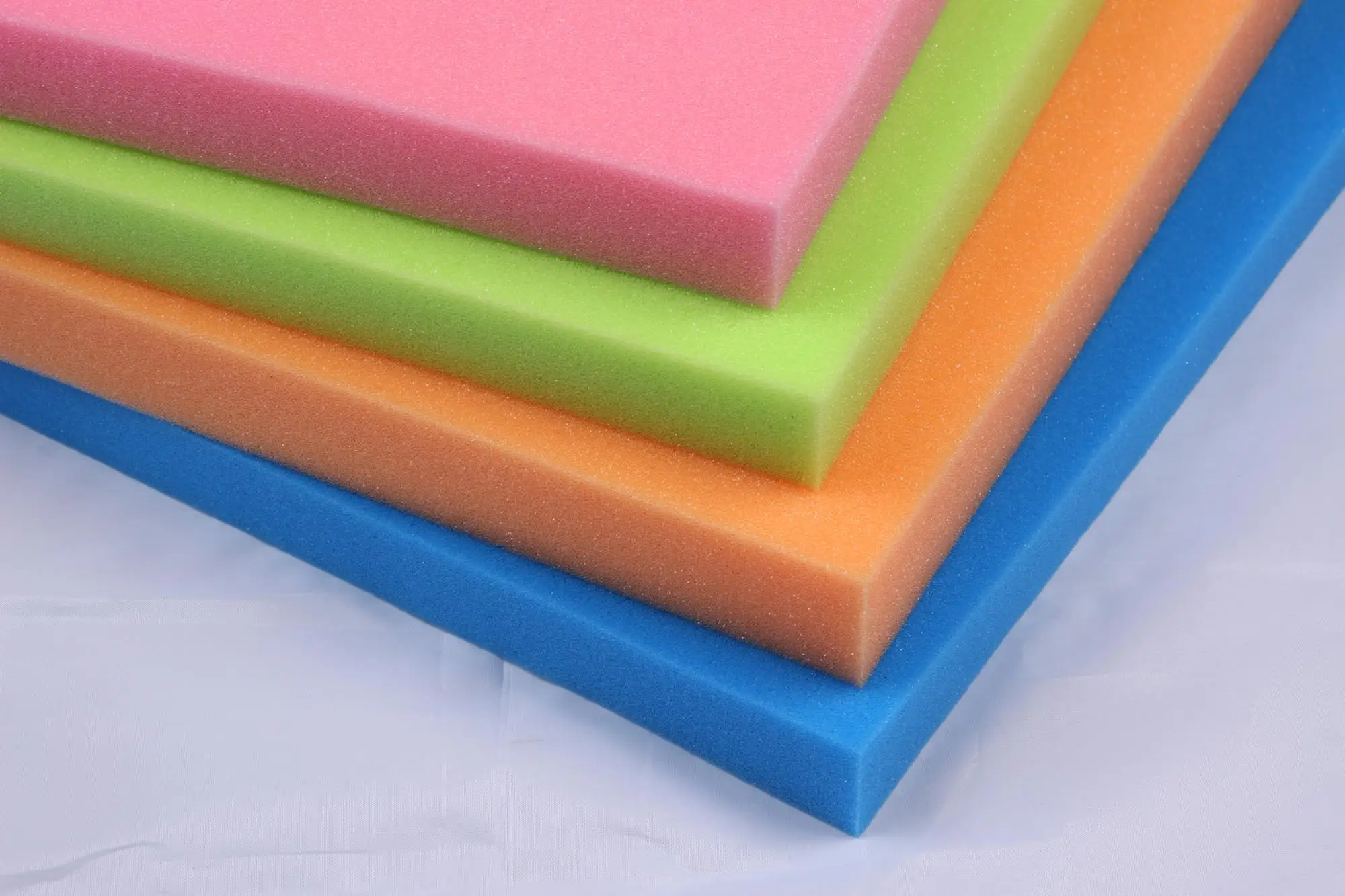
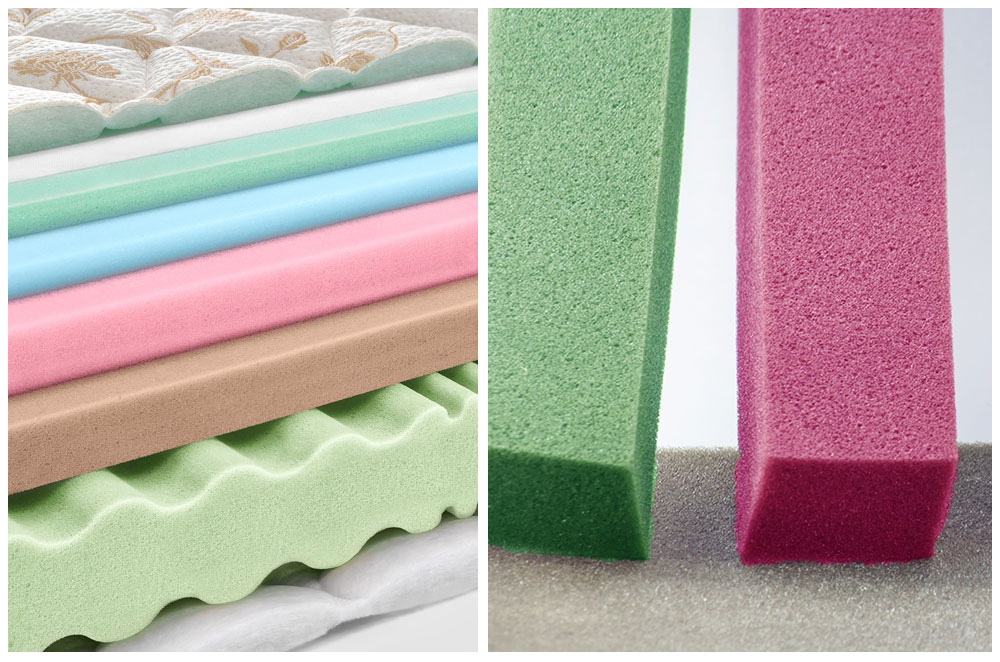
Foam blocks are soft, lightweight, and versatile building materials that can be used in various ways. They come in various shapes, sizes, and colors, making them perfect for imaginative play. Here are some reasons why foam blocks are particularly effective in fostering creativity:
- Safety: Unlike traditional building materials, foam blocks are safe for young children, allowing them to play without the risk of injury.
- Versatility: Foam blocks can be used to create anything from simple structures to complex designs, encouraging imaginative thinking.
- Encouragement of Collaboration: Foam blocks are often used in group settings, promoting teamwork and communication among peers.
- Accessible to All Ages: Their lightweight nature and soft texture make them suitable for children of various ages and developmental stages.
Encouraging Creativity Through Open-Ended Play

One of the key aspects of creative play is its open-ended nature. Foam blocks provide children with the freedom to explore and create without predefined rules or limitations. For example, a child might start building a tower, but as their imagination flows, that tower could quickly transform into a castle, a spaceship, or even a mountain. This flexibility encourages children to think outside the box, fostering creativity and innovation.
Case Studies: Real-Life Examples of Foam Blocks in Action
Several early childhood education programs have successfully integrated foam blocks into their curriculum, demonstrating the profound impact on children’s imaginative play.
Case Study 1: The Creative Learning Center
At The Creative Learning Center, educators incorporated foam blocks into their daily activities. Teachers observed that children who engaged with foam blocks exhibited:
- Increased collaboration during group play.
- Enhanced problem-solving skills as they worked together to build structures.
- A noticeable boost in verbal communication as they described their creations to peers.
The center reported that children showed a 40% increase in creative expression during playtime, highlighting the effectiveness of foam blocks in promoting imagination.
Case Study 2: Little Explorers Preschool

Little Explorers Preschool utilized foam blocks in a project-based learning environment. Children were encouraged to build structures that represented various themes, such as their favorite storybook or a historical landmark. The outcomes included:
- Improved understanding of spatial awareness and geometry.
- Increased engagement and enthusiasm for learning.
- Development of storytelling skills as children narrated their creations.
Feedback from parents indicated that children were more eager to share their experiences and ideas at home, showcasing how foam blocks inspired their imagination beyond the classroom.
Statistics Highlighting the Impact of Creative Play
Several studies have quantified the importance of creative play and its impact on child development:
- A report by the American Academy of Pediatrics noted that children who engage in regular creative play are better at problem-solving and demonstrate greater emotional resilience.
- Research from the University of Michigan found that children who play with building blocks exhibit improved spatial skills, which are critical for subjects like math and science.
- A survey conducted by the National Association for the Education of Young Children indicated that 80% of educators believe that creative play is essential for cognitive and emotional development.
Practical Tips for Encouraging Foam Block Play at Home
Parents and caregivers can take several steps to encourage creative play with foam blocks at home:
- Set Up a Dedicated Play Area: Create a safe and inviting space where children can freely explore and build with foam blocks.
- Incorporate Themes: Introduce themed play sessions, such as building a city or creating a storybook scene, to spark imagination.
- Join in the Play: Engage with your child during playtime to model creative thinking and problem-solving.
- Encourage Storytelling: After building, ask your child to describe their creation or tell a story about it, enhancing their narrative skills.
The Lasting Impact of Foam Blocks on Imagination

Foam blocks offer an incredible tool for fostering imagination and creativity in young children. By providing a safe and versatile medium for creative play, they enable children to explore their ideas, collaborate with peers, and develop essential skills for their future. As seen in various educational settings, the integration of foam blocks into playtime has led to remarkable improvements in cognitive, social, and emotional development. As parents and educators, we must embrace tools like foam blocks that encourage imaginative exploration, ensuring that children have the opportunity to unleash their creativity and develop into well-rounded individuals. The power of creative play is undeniable, and foam blocks are at the forefront of this transformative experience in early childhood development.