As the fashion industry grapples with its environmental impact, sustainable style has emerged as a significant movement among conscious consumers. One of the materials gaining traction in this realm is brown faux leather fabric. This article explores why brown faux leather is not only a stylish choice but also an eco-friendly alternative to traditional leather. We will delve into its production processes, benefits, and real-world applications, providing insights that underline its sustainability credentials.
The Environmental Cost of Traditional Leather
Before we can appreciate the benefits of brown faux leather, it’s essential to understand the environmental footprint of traditional leather production. The leather industry is notorious for its high resource consumption and pollution levels. Key points include:
- Water Usage: It takes approximately 15,000 liters of water to produce just one kilogram of leather, which is often sourced from cattle farming.
- Chemicals and Pollution: The tanning process involves toxic chemicals like chromium, which pose serious environmental hazards and health risks.
- Deforestation: Cattle ranching is a leading cause of deforestation, particularly in the Amazon rainforest, contributing to significant biodiversity loss.
Given these issues, the shift towards more sustainable materials is not just a trend; it’s a necessity for the future of fashion.
What is Faux Leather?

Faux leather, also known as synthetic leather or vegan leather, is a man-made alternative to traditional leather. It is designed to mimic the look and feel of genuine leather while avoiding the ethical and environmental concerns associated with animal products. Brown faux leather specifically refers to faux leather that is dyed or finished in shades of brown, providing a classic and versatile aesthetic.
Benefits of Brown Faux Leather Fabric

Brown faux leather fabric offers multiple benefits that make it an attractive option for both consumers and manufacturers. Here are some of the key advantages:
- Animal-Friendly: As a vegan alternative, brown faux leather eliminates the ethical concerns associated with animal cruelty.
- Lower Carbon Footprint: The manufacturing process for faux leather typically produces fewer greenhouse gas emissions compared to traditional leather production.
- Diverse Applications: Brown faux leather can be used in a variety of products, from clothing and accessories to upholstery and home decor.
- Durability and Maintenance: Faux leather is often more resistant to stains and easier to clean than real leather, making it a practical choice for everyday use.
- Affordability: Generally, faux leather is more cost-effective than genuine leather, making sustainable fashion accessible to a broader audience.
The Production Process of Brown Faux Leather

The production of faux leather has evolved significantly over the years. Modern techniques aim to reduce environmental impact while maintaining quality. The main types of faux leather include:
- Polyurethane (PU) Leather: Made from a polymer that is less harmful than PVC, PU leather is more breathable and environmentally friendly.
- Recycled Materials: Some brands now produce faux leather from recycled plastics, contributing to a circular economy and reducing waste.
In addition, advancements in technology have led to the development of bio-based faux leather, which uses plant materials as a base, further reducing reliance on fossil fuels.
Case Studies: Brands Leading the Way

Several brands are pioneering the use of brown faux leather in their collections, showcasing its versatility and appeal. Here are a few notable examples:
- Stella McCartney: Known for her commitment to sustainability, McCartney’s collections often feature high-quality faux leather products, including bags and shoes made from innovative materials.
- Matt & Nat: This Canadian brand specializes in vegan handbags made from recycled materials, including brown faux leather, proving that style and sustainability can coexist.
- Reformation: A popular eco-conscious fashion brand that incorporates faux leather into its collections, emphasizing transparency and sustainability in their production processes.
Statistics Supporting the Shift to Faux Leather

Several studies and statistics underscore the growing preference for faux leather over traditional leather:
- A report from the Global Fashion Agenda revealed that 66% of consumers believe it is important for brands to be environmentally responsible.
- According to a survey by Cotton Incorporated, 55% of consumers are willing to pay more for sustainable products, including those made from faux leather.
- The market for vegan leather is expected to grow by 23.5% annually, reaching $85 billion by 2025, according to a report by Market Research Future.
These numbers indicate a clear trend towards sustainable fashion choices, with faux leather at the forefront.
Challenges and Considerations
While brown faux leather presents numerous benefits, it is essential to address some challenges associated with its production and use:
- Quality Variability: Not all faux leather is created equal; some lower-quality options may not be as durable or environmentally friendly.
- Microplastics: Some faux leather products made from synthetic materials can shed microplastics during washing, contributing to ocean pollution.
- End-of-Life Issues: Unlike natural leather, which can biodegrade, many faux leather products are made from plastics that may not break down easily.
To mitigate these challenges, consumers should look for products made from high-quality, eco-friendly materials and support brands that prioritize sustainability in their business practices.
Embracing Sustainable Fashion with Brown Faux Leather
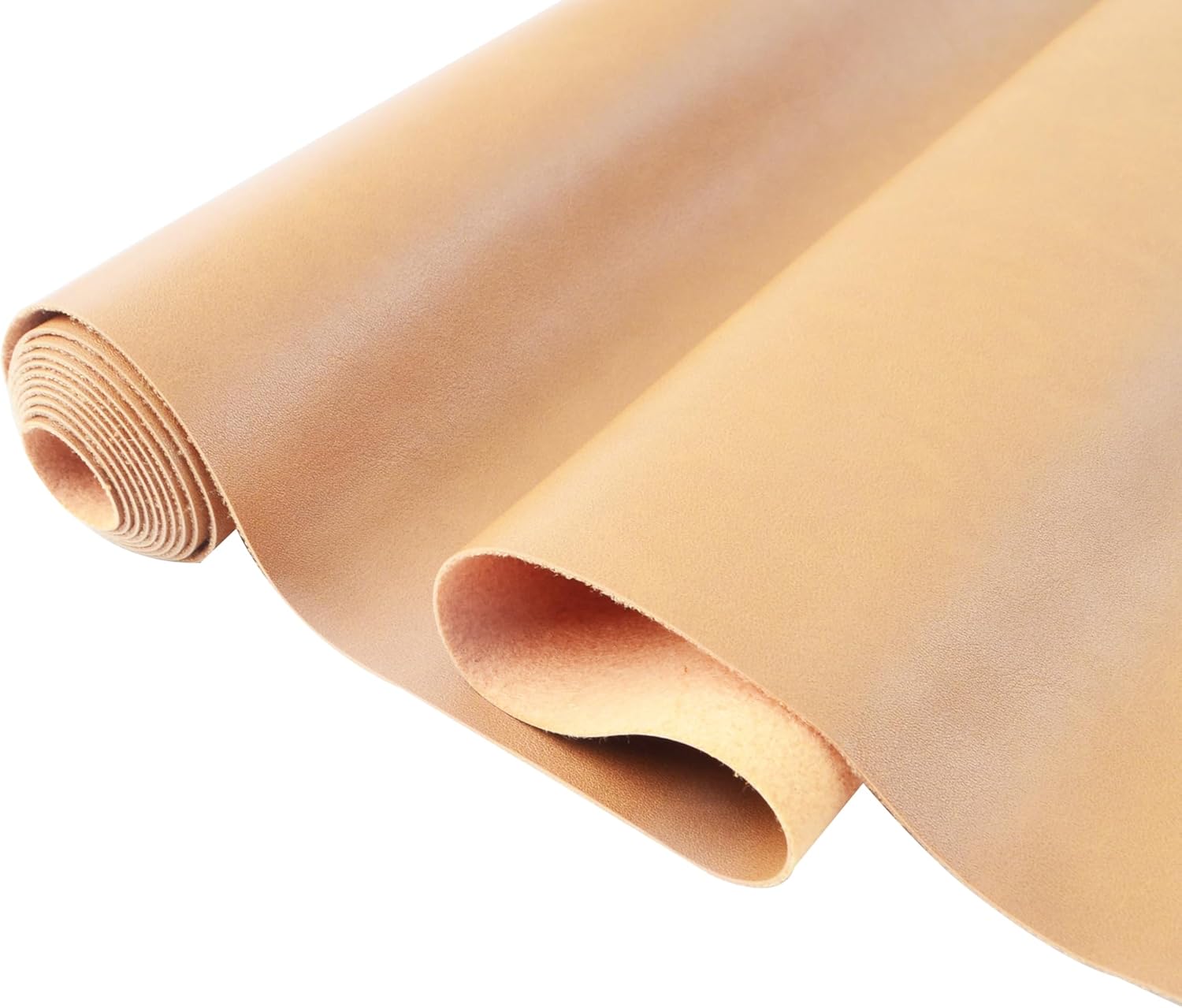
Brown faux leather fabric stands out as an eco-friendly choice in the sustainable fashion movement. By offering an ethical, stylish, and versatile alternative to traditional leather, it addresses significant environmental concerns while appealing to the modern consumer’s values. As more brands adopt and innovate with faux leather, the potential for a more sustainable fashion industry becomes increasingly promising.
Ultimately, choosing brown faux leather is not just a fashion statement; it is a commitment to a more sustainable future. By supporting this material, consumers can contribute to a positive change in the fashion landscape, promoting eco-friendly practices and encouraging brands to prioritize sustainability. The journey towards sustainable style is just beginning, and with choices like brown faux leather, we can all play a role in shaping a better tomorrow.