The world of numismatics, or coin collecting, is rich with history, cultural significance, and economic implications. Among the countless coins that have captured the attention of collectors, the Canadian penny, particularly the 1970 edition, holds a unique place in the hearts of enthusiasts. This article explores the legacy of the 1970 Canadian penny, examining its historical context, design features, production statistics, and its enduring appeal to collectors today.
Historical Context of the Canadian Penny
The Canadian penny has a storied history that dates back to 1858, when it was first minted. Over the decades, the penny evolved in design and composition, reflecting the changing times and economic conditions of Canada. The 1970 Canadian penny, produced during a period of economic transformation, is notable for several reasons:
- End of an Era: The 1970s marked the tail end of the traditional penny’s design before Canada transitioned to a more modern aesthetic.
- Economic Challenges: The decade was characterized by rising inflation and economic uncertainty, influencing public perceptions of currency and its value.
- Shift in Currency Use: As the 1970s progressed, Canadians began to question the practicality of the penny, setting the stage for future discussions about its discontinuation.
Design Features of the 1970 Canadian Penny
The design of the 1970 Canadian penny is emblematic of its time, featuring elements that reflect Canadian heritage and identity.
Obverse Design
The obverse of the penny showcases a portrait of Queen Elizabeth II, which has been a consistent feature on Canadian coins since her ascension to the throne. The design, created by artist Arnold Machin, captures the Queen in her early years, representing continuity and stability for Canadians during a time of change.
Reverse Design

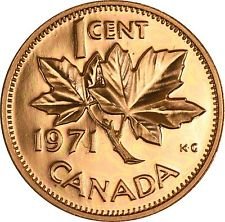
The reverse side of the penny features a stylized image of a maple leaf, a symbol of Canada’s national identity. The choice of the maple leaf highlights the connection between the currency and the natural beauty of the country, reinforcing the idea of Canada as a land of rich resources and cultural heritage.
Composition and Minting
The 1970 penny was primarily composed of copper, with a weight of 3.24 grams and a diameter of 19.05 mm. The minting process involved several steps:
- Striking: Coins were struck at the Royal Canadian Mint, where high-quality standards ensured the durability and precision of each piece.
- Quality Control: Rigorous quality control measures were implemented to sift through defects, ensuring that only the best coins reached circulation.
The Economic Impact of the 1970 Canadian Penny
The 1970 Canadian penny was not just a piece of currency; it also served as a reflection of the economic challenges faced by Canadians at the time. As inflation rose, the value of small denominations like the penny began to wane.
Inflation and Currency Use
Throughout the 1970s, Canada experienced significant inflation. The Consumer Price Index rose sharply, leading to a devaluation of the penny’s purchasing power. This shift had several implications:
- Reduced Circulation: As prices increased, the penny became less useful for everyday transactions, leading to a decline in its circulation.
- Public Sentiment: People began to view the penny as more of a nuisance than a necessity, paving the way for future discussions about its discontinuation.
The Discontinuation of the Penny

Fast forward to 2013, when the Royal Canadian Mint officially ceased the production of the penny. This decision was influenced by several factors, including:
- Cost of Production: It cost more to produce a penny than its face value due to rising metal prices and minting expenses.
- Changing Payment Methods: The rise of digital payments and credit card use further diminished the need for coins, especially lower denominations.
- Public Support: Surveys indicated that a significant portion of the Canadian public supported the discontinuation, viewing it as a practical move.
The Numismatic Appeal of the 1970 Canadian Penny

Despite its eventual discontinuation, the 1970 Canadian penny remains a popular item among collectors. Several factors contribute to its enduring appeal:
Rarity and Collectibility

While millions of 1970 pennies were minted, certain variations and conditions make specific coins highly sought after:
- High-Grade Examples: Coins in uncirculated condition or with minimal wear are particularly desirable to collectors.
- Error Coins: Mistakes made during the minting process, such as double strikes or incorrect inscriptions, can significantly increase a coin’s value.
Symbol of Change
The 1970 penny represents not only a specific era in Canadian history but also the broader changes in currency usage and public attitudes toward money. As such, it serves as a tangible reminder of evolving economic landscapes.
Case Studies: Collectors and Their Journeys
To illustrate the ongoing interest in the 1970 Canadian penny, we can explore a few case studies of collectors and their experiences.
Collector Profile: John Smith
John Smith, a passionate numismatist from Ontario, began collecting coins at a young age. His fascination with the 1970 penny stems from its historical significance:
- Heritage: John appreciates the penny as a representation of Canadian identity.
- Investment: He views high-grade pennies as potential investment opportunities, particularly as the market for rare coins continues to grow.
Collector Profile: Sarah Johnson
Sarah Johnson, a member of a local coin club, enjoys the camaraderie of fellow collectors. Her interest in the 1970 penny is fueled by:
- Community Engagement: Sarah often participates in coin shows, sharing her knowledge and passion for the 1970 penny with others.
- Educational Value: She uses her collection to educate younger generations about the history of Canadian currency.
The Lasting Legacy of the 1970 Canadian Penny
The 1970 Canadian penny may no longer be in circulation, but its legacy endures through the stories of collectors, the lessons learned from economic history, and its role in shaping Canadian identity. As a symbol of change, this little coin encapsulates a pivotal moment in Canada’s economic narrative. For numismatists, the 1970 penny represents more than just currency; it is a testament to the evolving nature of money, the interplay between history and culture, and the unyielding passion of those who collect it. As we look to the future, the legacy of the 1970 Canadian penny will continue to inspire and educate, ensuring that its story is never forgotten.