When it comes to selecting a plush toy for your child, the options can be overwhelming. Among the myriad of choices, beaver plush toys stand out for their unique charm and educational potential. However, choosing the right one involves more than just picking a cute design. This article will guide you through the essential factors to consider when selecting a beaver plush toy for your child, ensuring that you make an informed choice that brings joy and learning to their playtime.
Understanding the Appeal of Beaver Plush Toys
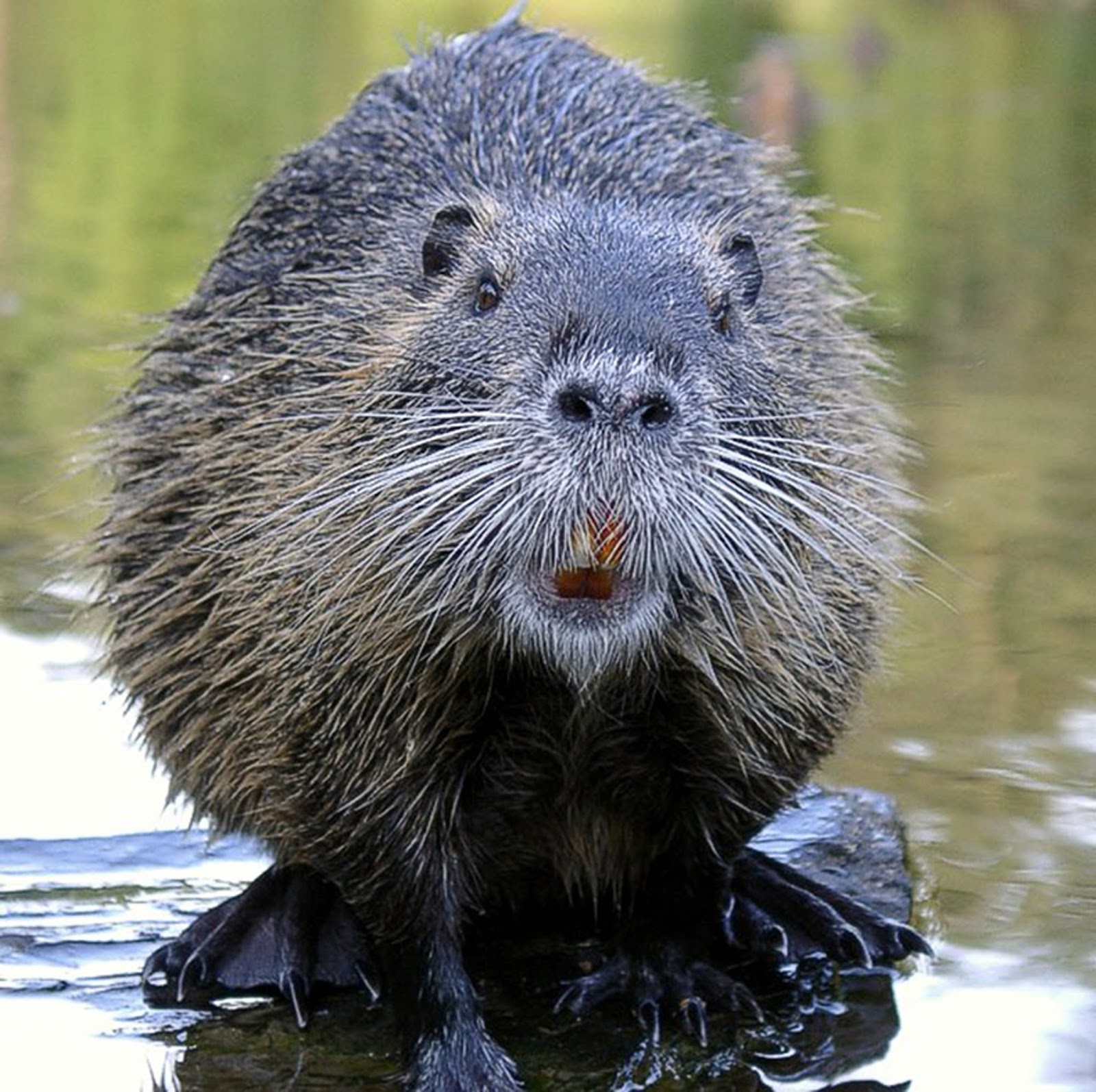
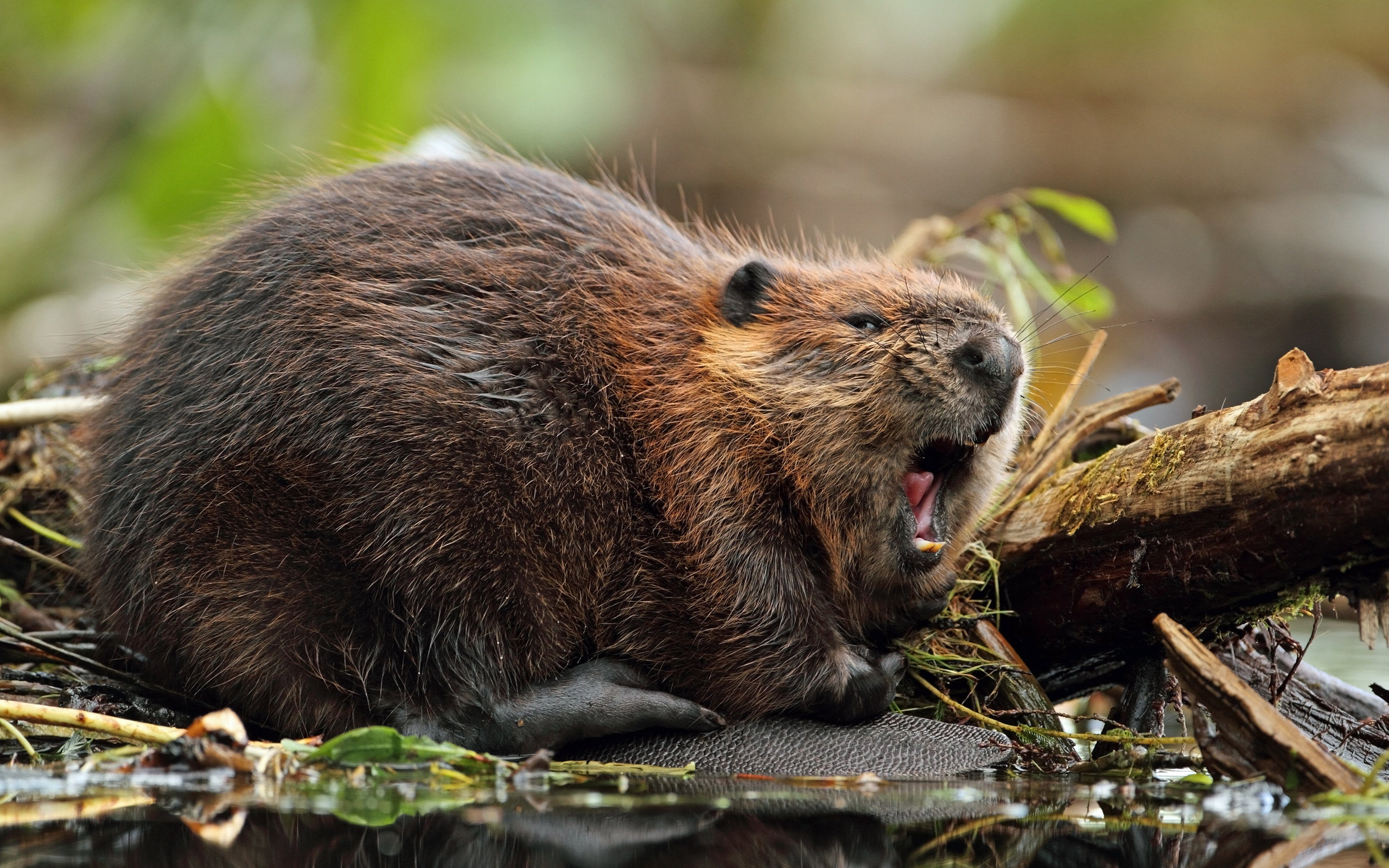
Beavers are not only adorable but also fascinating animals that play a significant role in the ecosystem. Their characteristics can spark curiosity in children, making them an excellent choice for a plush toy. Here are some reasons why beaver plush toys can be particularly appealing:
- Educational Value: Beavers are known for their building skills and industrious nature. A plush beaver can serve as a great conversation starter about wildlife and environmental conservation.
- Emotional Connection: Plush toys often become comforting companions for young children, helping them to express their emotions and navigate social situations.
- Unique Design: Unlike more common stuffed animals, beavers are less frequently chosen, making them a special gift that stands out.
Factors to Consider When Choosing a Beaver Plush Toy
When selecting a beaver plush toy, consider the following factors to ensure that it meets your child’s needs and preferences:
1. Age Appropriateness
Different age groups have varying needs and safety considerations. Here’s how to select a beaver plush toy based on age:
- Infants (0-12 months): Look for soft, small plush toys that are safe for babies to grasp. Ensure there are no small parts that could pose a choking hazard.
- Toddlers (1-3 years): Choose durable plush toys that can withstand rough play. Consider toys with washable materials, as toddlers are prone to spills and messes.
- Preschoolers (3-5 years): At this stage, children may enjoy interactive toys, such as beavers that come with educational facts or stories.
2. Material and Safety
Safety is paramount when selecting a plush toy. Look for the following:
- Non-toxic Materials: Ensure the plush toy is made from child-safe, non-toxic materials. Look for certifications such as ASTM or EN71, which indicate compliance with safety standards.
- Washable Fabrics: Children’s toys can get dirty quickly. Opt for plush toys that are machine washable or have removable covers for easy cleaning.
- Durability: Check the stitching and seams to ensure they are strong enough to withstand playtime.
3. Size and Portability
The size of the plush toy can influence its usability:
- Small Plush Toys: Ideal for infants and toddlers, small toys are easy to carry around and can accompany your child anywhere.
- Medium and Large Plush Toys: These are great for snuggling and can serve as comforting companions during bedtime.
4. Design and Features

Consider the design of the beaver plush toy. Here are some features that can enhance the experience:
- Realistic or Cartoonish: Some children may prefer a realistic beaver plush, while others may enjoy a cartoonish version that is more playful and colorful.
- Interactive Features: Toys with sound features, or that can tell stories, can engage children’s imaginations and provide entertainment.
- Educational Elements: Some plush toys come with attached books or educational materials, making them a great learning tool.
Popular Beaver Plush Toy Options

To give you a head start, here are some popular beaver plush toy options that cater to various age groups and preferences:
- Melissa & Doug Beaver Plush: Known for its high-quality materials, this cuddly beaver is perfect for toddlers. It is machine washable and features a realistic design.
- Wild Republic Beaver Plush: This toy is known for its cute cartoonish style and comes in various sizes, making it ideal for preschoolers. It is also stuffed with recycled materials, promoting environmental awareness.
- Gund Baby Flappy the Beaver: This interactive plush toy plays sounds and has flappable ears, making it a hit among infants and toddlers.
Case Studies: Real-World Insights
Understanding how other parents have made their choices can provide valuable insights. Here are two case studies that highlight the decision-making process:
Case Study 1: The Smith Family
The Smith family wanted a plush toy for their 2-year-old daughter, Ella. They prioritized safety and durability, ultimately choosing a beaver plush that was machine washable and made from non-toxic materials. They also appreciated that it was small enough for Ella to carry around. The toy quickly became her favorite companion, helping her feel secure during bedtime.
Case Study 2: The Johnson Family
The Johnsons were looking for a plush toy that would also serve as an educational tool for their 5-year-old son, Max. They chose a beaver plush that came with a storybook about beavers and their role in the ecosystem. This choice not only provided comfort but also sparked discussions about wildlife conservation, aligning with the family’s values.
Making the Right Choice
Choosing the right beaver plush toy for your child involves careful consideration of age appropriateness, safety, size, and design. By understanding your child’s needs and preferences, you can select a toy that not only provides comfort but also enriches their playtime experience. Whether you opt for a realistic beaver plush or a playful, interactive version, the key is to ensure that your choice aligns with your child’s developmental stage and interests.
In summary, a thoughtfully chosen beaver plush toy can serve as a cherished companion and an educational tool, fostering both emotional security and a love for nature in your child. Take the time to research, compare options, and engage your child in the selection process to ensure a meaningful purchase that will bring joy for years to come.