Polka dots have long been a beloved pattern in the world of fashion, particularly in classic black and white. This distinctive design has a rich history that spans centuries and has evolved through various cultural and artistic movements. In this article, we will explore the origins of polka dots, their rise to prominence in fashion, and their enduring appeal as a staple in contemporary style.
The Origins of Polka Dots
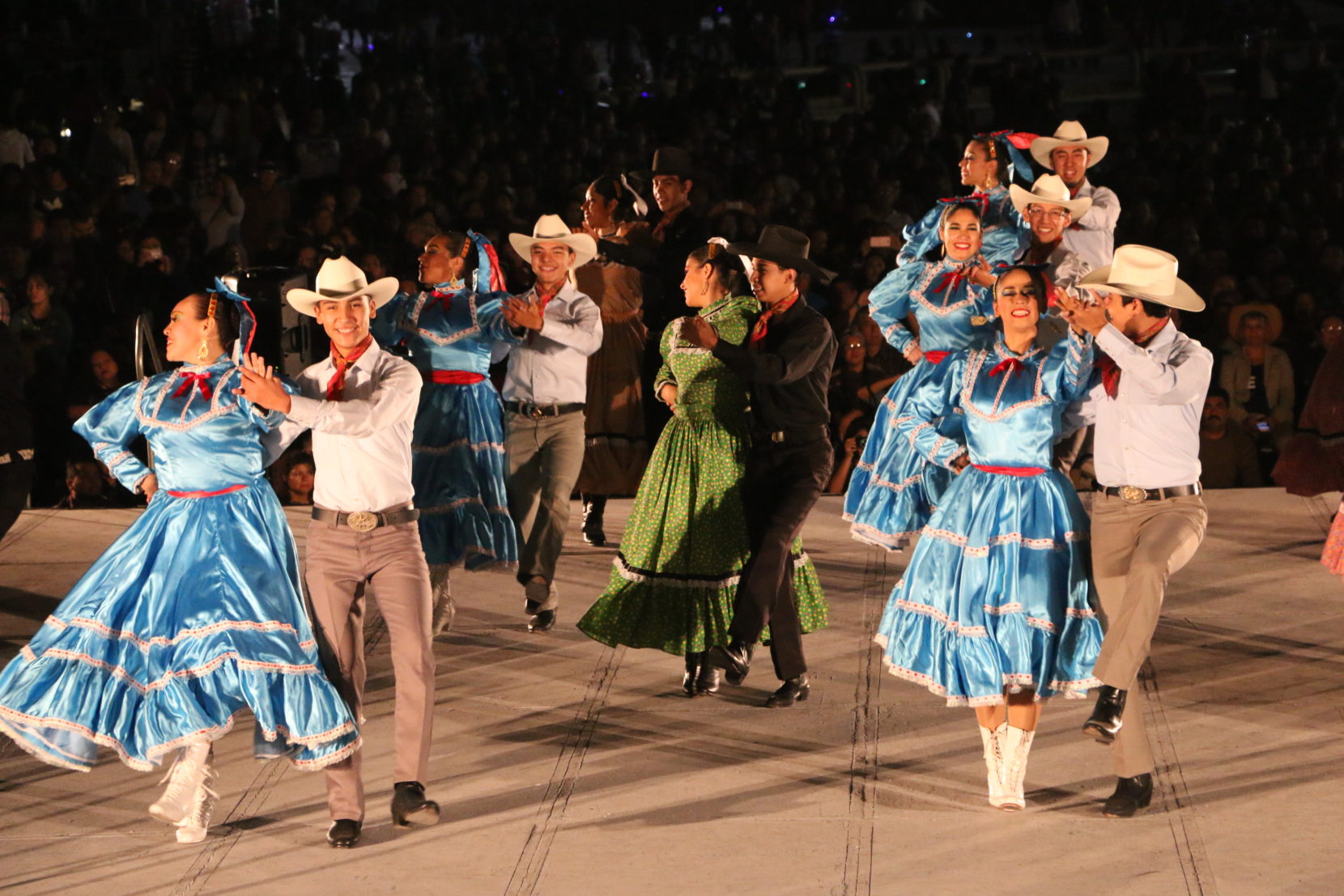
The term “polka dot” is believed to have been coined in the mid-19th century, around the time when the polka dance became popular in Europe. While the exact origins of the pattern are somewhat murky, its association with the lively dance contributed to its name. The first known use of polka dots in fashion dates back to the 1920s, although dotted fabrics had been used long before that in various applications, especially in children’s clothing and decor.
Polka Dots in Early Fashion
.jpg/revision/latest?cb=20191118134904)
By the early 20th century, polka dots had begun to appear prominently in women’s fashion. The pattern was often seen on dresses, blouses, and children’s clothing. The classic black and white combination was particularly favored for its versatility and timelessness. Some key points in early fashion history include:
- 1920s: Polka dots became synonymous with the flapper style, characterized by loose-fitting dresses and a sense of youthful exuberance.
- 1930s: Hollywood stars like Judy Garland and Mae West popularized polka dots, often seen in films wearing dotted dresses that highlighted their playful yet sophisticated appeal.
- 1950s: The post-war era saw a resurgence of polka dots, epitomized by iconic figures such as Marilyn Monroe and Audrey Hepburn, who donned timeless polka dot dresses that became symbols of feminine charm.
Polka Dots and Iconic Fashion Moments

Throughout the decades, polka dots have been featured in some of the most memorable fashion moments. Their ability to evoke a sense of fun while maintaining elegance has made them a go-to choice for designers and celebrities alike. Here are a few notable examples:
- Marilyn Monroe: The actress famously wore a black and white polka dot dress in the film “The Seven Year Itch,” a look that has become iconic and has influenced numerous fashion collections.
- Audrey Hepburn: Hepburn’s classic black and white polka dot dress in “Breakfast at Tiffany’s” is a testament to the pattern’s ability to convey sophistication and style.
- Princess Diana: The late princess was often spotted in polka dots, showcasing how the pattern can transcend generations and remain fashionable.
The Role of Polka Dots in Contemporary Fashion

As fashion evolved into the 21st century, polka dots have maintained their relevance, appearing in runway shows, casual wear, and high fashion collections. Designers continue to experiment with the pattern, incorporating it into various styles and fabrics. Some contemporary trends include:
- High Fashion: Designers like Marc Jacobs and Stella McCartney have embraced polka dots in their collections, reimagining the classic pattern with bold colors and innovative silhouettes.
- Streetwear: Polka dots have infiltrated street fashion, with brands incorporating them into casual wear, accessories, and even footwear.
- Inclusivity: The resurgence of polka dots has led to a broader acceptance of the pattern across all body types and demographics, reinforcing its status as a versatile choice for everyone.
Polka Dots in Art and Culture

Polka dots have not only influenced fashion but have also made their mark in the realms of art and popular culture. Artists like Yayoi Kusama have used polka dots as a central theme in their works, exploring concepts of infinity and the human experience. Kusama’s installations and art pieces often feature repetitive patterns that challenge perceptions of space and identity. In addition to contemporary art, polka dots have appeared in:
- Graphic Design: The pattern is widely used in branding and marketing, often associated with playfulness and creativity.
- Film and Media: Polka dots frequently appear in children’s programming and films, reinforcing their playful connotation.
- Advertising: Various brands have utilized polka dots in their campaigns to evoke nostalgia and charm, linking their products to a sense of whimsy.
Statistics and Market Trends
The enduring popularity of polka dots can be quantified by examining market trends in the fashion industry. According to a report by Grand View Research, the global fashion market is expected to reach $3 trillion by 2025, with patterns like polka dots continuing to play a significant role in seasonal collections. The versatility of polka dots allows designers to appeal to diverse consumer preferences, making them a staple in various markets.
How to Style Polka Dots Today
In contemporary fashion, styling polka dots can be both fun and challenging. Here are some tips to incorporate black and white polka dots into your wardrobe:
- Mix and Match: Pair polka dot tops with solid bottoms or vice versa for a balanced look.
- Layering: Combine polka dot pieces with other patterns, such as stripes or florals, to create an eclectic outfit.
- Accessories: Use polka dot scarves, bags, or shoes to add a playful touch to any outfit without overwhelming the ensemble.
The history of polka dots as a fashion staple in black and white is a testament to their timeless charm and versatility. From their origins in the 19th century to their resurgence in modern fashion, polka dots have continually captivated designers and consumers alike. Their enduring appeal lies in their ability to evoke nostalgia while remaining relevant in contemporary style. As fashion continues to evolve, polka dots will undoubtedly remain a beloved pattern, symbolizing joy, playfulness, and the ever-changing landscape of design.