Horse tail extensions have become an increasingly popular option for equestrians who want to enhance the appearance of their horse’s tail. Whether for show, competitions, or simply for aesthetic reasons, these extensions can provide a fuller, longer, and more beautiful tail. In this ultimate guide, we will explore the various types of horse tail extensions, how to choose the right one, application methods, maintenance tips, and common misconceptions. By the end, you will have a comprehensive understanding of horse tail extensions and how to make the most out of them.
What Are Horse Tail Extensions?
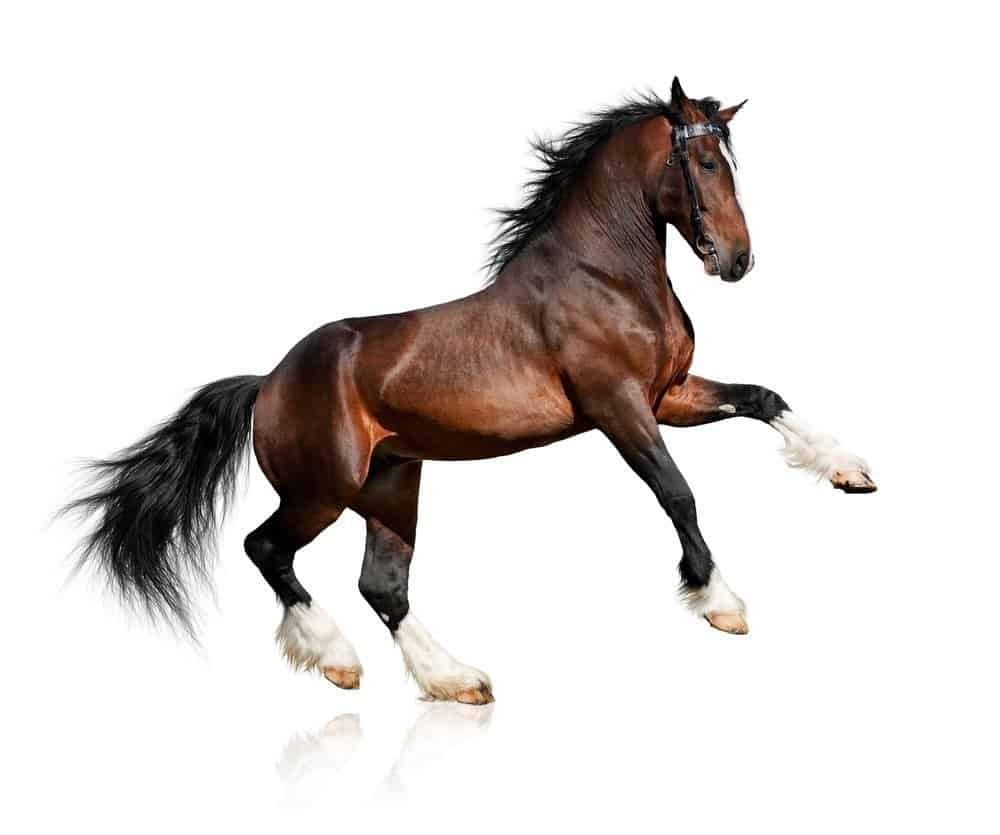
Horse tail extensions are synthetic or real hair additions that are attached to a horse’s natural tail to enhance its length and volume. They can be crafted from various materials, including:
- Synthetic hair: Often more affordable and available in a wide range of colors, synthetic extensions are easy to maintain and resistant to weather conditions.
- Real hair: Typically more expensive, real hair extensions provide a more natural look and feel but require more maintenance.
Types of Horse Tail Extensions
:strip_icc()/GettyImages-1194308039-aefebed4140c4c61a0267e681f4272c9.jpg)
When selecting a horse tail extension, it’s essential to consider the type that best fits your needs. Here are the most common types:
- Clip-in Extensions: These extensions are easy to apply and remove, making them a popular choice for riders who want a temporary solution. They usually come with clips that attach securely to the natural tail.
- Braided Extensions: These are integrated into the natural tail by braiding the extension hair with the horse’s natural hair, offering a more permanent solution that blends seamlessly.
- Glue-in Extensions: These extensions are adhered directly to the horse’s tail using a special adhesive. They can last for several weeks but require careful application to prevent damage to the natural hair.
Choosing the Right Tail Extension
Choosing the right tail extension is crucial for achieving the best aesthetic results while ensuring the comfort and health of your horse. Here are some factors to consider:
- Color Match: Ensure that the extension matches your horse’s natural tail color. Many suppliers offer color-matching services to help you find the perfect shade.
- Length and Volume: Consider the desired length and volume of the tail. Extensions come in various lengths, so choose one that complements your horse’s natural tail.
- Material: Decide whether you prefer synthetic or real hair based on your budget and maintenance preferences.
How to Apply Horse Tail Extensions
Applying horse tail extensions can be done by professionals or by horse owners themselves, depending on the type of extension chosen. Here’s a general guide for each type:
Clip-in Extensions
- Brush the horse’s tail to remove any tangles.
- Section off the natural tail and attach the clip-in extension using the provided clips.
- Blend the extension with the natural hair for a seamless look.
Braided Extensions
- Brush the tail thoroughly to prepare it for braiding.
- Divide the natural tail into sections and incorporate the extension hair into the braid.
- Secure the braid with an elastic band, ensuring it is tight enough to hold but not so tight that it causes discomfort.
Glue-in Extensions
- Clean the area of the tail where the extension will be applied.
- Apply a small amount of adhesive to the base of the extension and press it onto the horse’s tail.
- Hold for a few seconds to ensure it adheres properly.
Maintenance of Horse Tail Extensions

Proper maintenance is essential for ensuring that horse tail extensions look their best and last as long as possible. Here are some tips:
- Regular Brushing: Gently brush the extensions to remove dirt and prevent tangling.
- Washing: Wash synthetic extensions with mild shampoo and water. Real hair extensions may require specific care products to maintain their quality.
- Avoid Excessive Heat: If using heat tools, like curling irons, ensure they are set to a low temperature to prevent damage.
Common Misconceptions About Horse Tail Extensions
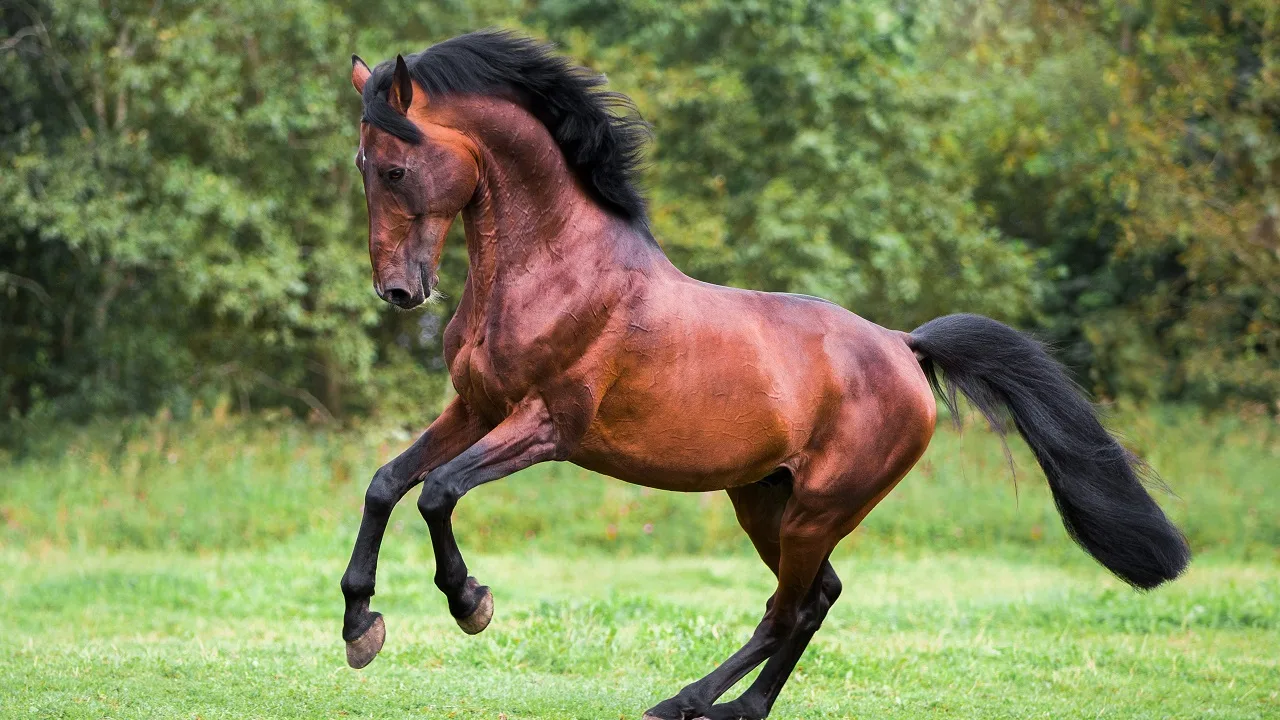
Despite their growing popularity, several myths and misconceptions surround horse tail extensions. Here are a few clarifications:
- Extensions Damage Natural Hair: When applied and maintained correctly, extensions should not damage the natural tail. However, improper application can lead to breakage.
- All Extensions Look Fake: High-quality real hair extensions can look very natural, especially when color-matched and blended correctly.
- Extensions Are Only for Competitions: While they are popular in the show ring, many horse owners use extensions for everyday riding or just for fun.
Case Studies: Successful Use of Horse Tail Extensions
:max_bytes(150000):strip_icc()/GettyImages-686788685-5c8286f646e0fb00012c6695.jpg)
There are numerous examples of horse owners successfully using tail extensions to enhance their horses’ appearance and performance:
For instance, a competitive dressage rider reported that using a high-quality braided extension not only improved the visual appeal of her horse during competitions but also helped her score higher in the “grooming” category of judges’ evaluations. Another case involved a trail riding enthusiast who found that clip-in extensions provided a way to quickly change her horse’s look for photoshoots without causing any stress or discomfort to the horse.
Horse tail extensions can significantly enhance the beauty and presentation of your horse, whether for showing, competitions, or personal enjoyment. By understanding the different types of extensions, how to choose the right one, and the best practices for application and maintenance, you can ensure that your horse looks stunning while remaining comfortable and healthy. Remember to dispel common misconceptions and consider the experiences of other horse owners to make informed decisions. With the right knowledge and approach, horse tail extensions can be a valuable addition to your equestrian journey.