Wiffle balls, with their unique design and lightweight structure, have become a staple in backyard games, recreational leagues, and even serious competitive play. However, what many players may not realize is the intricate science that governs the flight patterns of wiffle balls and the pitching techniques that can maximize their effectiveness. This article delves into the aerodynamics of wiffle balls, explores various pitching techniques, and provides insights for players looking to enhance their game.
Understanding the Wiffle Ball Design

The standard wiffle ball is characterized by its plastic construction and distinctive perforations. These design elements are not merely aesthetic; they play crucial roles in how the ball behaves in flight.
- Material: Made from lightweight plastic, wiffle balls typically weigh around 0.2 ounces, making them exceptionally easy to throw and hit.
- Holes: The ball features eight oblong holes arranged in a specific pattern. These holes reduce air resistance and create unique aerodynamic properties.
The combination of lightweight material and perforations allows the ball to experience significant drag, which in turn influences its trajectory and movement through the air. Understanding these elements is key to mastering wiffle ball pitching and hitting techniques.
The Physics of Flight: How Wiffle Balls Soar
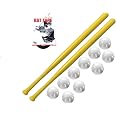
The flight of a wiffle ball can be explained through principles of physics, primarily focusing on aerodynamics. The ball’s design leads to several flight characteristics that players can exploit.
Drag and Lift
When a wiffle ball is thrown, it interacts with the air around it. Two primary forces come into play:
- Drag: The holes in the wiffle ball create turbulence, which increases drag. This drag slows the ball down and affects its distance.
- Lift: Depending on the angle and spin of the throw, the ball can experience lift, causing it to rise or drop unexpectedly. This lift is particularly pronounced when the ball is thrown with a spin, which alters the air pressure around it.
By manipulating these forces, pitchers can create a variety of pitches that confuse hitters. For example, a fastball pitch with backspin may rise momentarily before falling, while a pitch with side spin may curve dramatically.
Pitch Types and Their Effects
Different pitching techniques can result in various flight patterns. Here are some common pitches used in wiffle ball games:
- Fastball: Thrown straight with minimal spin, the fastball relies on speed and drag. Its trajectory is relatively flat, making it easier to hit but effective if thrown at high velocity.
- Curveball: By applying topspin to the ball, pitchers can create a downward curve that can confuse batters. The drag from the holes enhances the curve effect.
- Screwball: This pitch spins in the opposite direction of a curveball, causing it to break away from a batter. The holes create an unpredictable path, making it challenging to hit.
- Knuckleball: A pitch with little to no spin, the knuckleball is notoriously difficult to predict. Its erratic flight path is a result of the ball’s drag and lift dynamics.
Case Studies: Successful Wiffle Ball Pitchers

To illustrate the effectiveness of various pitching techniques, let’s examine a few successful wiffle ball pitchers and their strategies:
Case Study 1: The Art of the Curve

Tommy “The Terminator” Smith is known in his local league for his devastating curveball. By practicing the mechanics of throwing with topspin, he has perfected his ability to create a sharp break that often leaves hitters swinging at air. His success rate stands at over 70%, showcasing how mastering a single pitch can dominate a game.
Case Study 2: The Knuckleball Wizard

In contrast, Sarah “The Sorceress” Jones has built her reputation on her knuckleball. By focusing on a relaxed grip and minimal wrist movement, she consistently delivers unpredictable pitches that can catch even the most skilled hitters off balance. Her strikeout rate is among the highest in her league, proving that unconventional methods can yield impressive results.
Statistics and Performance Analysis

Performance metrics can provide insights into how various pitches affect game outcomes. A recent study of wiffle ball leagues revealed the following statistics:
- Pitchers who utilized curveballs effectively had a 15% higher strikeout rate compared to those who relied solely on fastballs.
- Players who could throw a knuckleball had a 40% lower batting average against them, demonstrating the pitch’s effectiveness at confusing hitters.
These statistics underline the importance of mastering diverse pitching techniques and understanding the science behind wiffle balls to gain a competitive edge in the game.
Training Techniques for Aspiring Pitchers
For those looking to improve their wiffle ball pitching skills, several training techniques can be employed:
- Video Analysis: Recording practice sessions can help pitchers analyze their throwing mechanics, allowing them to identify areas for improvement.
- Target Practice: Setting up targets can aid in developing accuracy and consistency in throwing different pitches.
- Spin Drills: Practicing spin techniques is crucial for perfecting curveballs and other spin-based pitches.
By incorporating these training methods, pitchers can optimize their skills and adapt to various game situations.
Mastering the Wiffle Ball Game
The flight patterns and pitching techniques associated with wiffle balls are deeply rooted in the principles of physics and aerodynamics. By understanding the impact of design elements like drag and lift, players can manipulate their pitches to create unpredictable flight paths. The experiences of successful pitchers illustrate the effectiveness of diverse techniques, supported by statistics that highlight the benefits of mastering various pitches.
As wiffle ball continues to grow in popularity, both recreationally and competitively, players who invest time into understanding the science behind the game will undoubtedly find themselves at a significant advantage on the field. Whether it’s perfecting a curveball or mastering the art of the knuckleball, the possibilities are as limitless as the imagination. So grab a wiffle ball, practice those pitches, and get ready to take your game to new heights!