As autumn descends and Halloween approaches, the streets become adorned with carved pumpkins, commonly known as jack-o’-lanterns, often featuring grotesque and eerie faces. These scary pumpkin masks are not just decorations; they are emblematic of a deeper psychological phenomenon that captivates us. But why do we find such joy in being frightened, even to the point of embracing scary imagery? In this article, we will explore the psychology behind our fascination with fear, particularly through the lens of scary pumpkin masks.
The Allure of Fear: A Historical Perspective

To understand why we are drawn to fear, particularly in the form of scary pumpkin masks, we must first look at the historical context. The celebration of Halloween has roots in ancient traditions, particularly the Celtic festival of Samhain, which marked the end of the harvest season and the beginning of winter. During this time, it was believed that the boundaries between the living and the dead were blurred.
- Ancient Rituals: People would light bonfires and wear costumes to ward off roaming spirits.
- Symbolism of Jack-o’-lanterns: Originally made from turnips, these lanterns were believed to represent souls trapped in purgatory.
- Evolution to Pumpkins: When Irish immigrants arrived in America, they adapted the tradition using pumpkins, which were more abundant and easier to carve.
This historical context sets the stage for our modern-day embrace of fear through objects like scary pumpkin masks. The thrill of confronting fears, even in a controlled environment, can evoke a rush of adrenaline and excitement.
The Psychology of Fear: Why We Crave It
Fear is a complex emotion that serves both evolutionary and psychological purposes. Here are some reasons why we are drawn to fear and, by extension, to scary pumpkin masks:
- Adrenaline Rush: Engaging with fear triggers the body’s fight-or-flight response, releasing adrenaline and endorphins that create a feeling of exhilaration.
- Safe Environment: Experiencing fear in a controlled setting, such as through movies or Halloween decorations, allows us to confront our fears without real danger.
- Social Bonding: Watching horror movies or attending haunted houses with friends can foster a sense of camaraderie and shared experience.
- Exploration of the Unknown: Scary imagery challenges our perceptions and understanding of reality, allowing us to explore the unknown safely.
The Role of Scary Pumpkin Masks in Halloween Culture
Scary pumpkin masks serve as a prime example of how we engage with fear during Halloween. They are not merely decorations; they embody various psychological elements that enhance our experience of fear. Here are several ways in which they fulfill this role:
- Visual Impact: The grotesque and exaggerated features of scary pumpkin masks can trigger instinctive responses, making them effective symbols of fear.
- Cultural Significance: Pumpkins have become synonymous with Halloween, making scary masks a pivotal part of our cultural practices surrounding the holiday.
- Personal Expression: Many individuals enjoy creating their own scary pumpkin designs, allowing for creativity and personal expression while engaging with fear.
Case Studies: The Appeal of Fear in Popular Culture

Understanding the appeal of fear can be further illuminated through popular culture. Horror films, haunted attractions, and Halloween festivities all utilize the concept of fear in captivating ways. Let’s take a closer look at some notable examples:
1. Horror Films
Films like “Halloween,” “The Exorcist,” and “It” have garnered cult followings, with audiences drawn to the thrill of fear. According to a study published in the journal “Psychology of Popular Media Culture,” horror films can produce positive emotional responses, including heightened excitement and satisfaction.
2. Haunted Houses
Haunted attractions have become a multi-billion dollar industry, particularly in the United States. According to the Haunted Attraction Association, the haunted house industry generates over $300 million annually. These attractions provide a safe space for individuals to confront fears, often resulting in laughter and exhilaration post-experience.
3. Halloween Festivals

Halloween festivals often feature activities like pumpkin carving, costume contests, and haunted trails. These events create a communal atmosphere where participants can enjoy the thrill of fear together. A survey by the National Retail Federation revealed that 70% of Americans celebrate Halloween, with spending reaching over $10 billion annually, emphasizing the cultural significance of fear during this season.
Psychological Benefits of Embracing Fear

Engaging with fear, especially through mediums like scary pumpkin masks, can provide various psychological benefits:
- Catharsis: Experiencing fear can lead to a release of pent-up emotions, providing a sense of relief and clarity.
- Resilience Building: Confronting fears, even in a fictional context, can help individuals develop coping mechanisms for real-life anxieties.
- Increased Empathy: Engaging with horror can foster empathy, as it often involves understanding the fears and motivations of characters.
The Fascination with Fear and Scary Pumpkin Masks
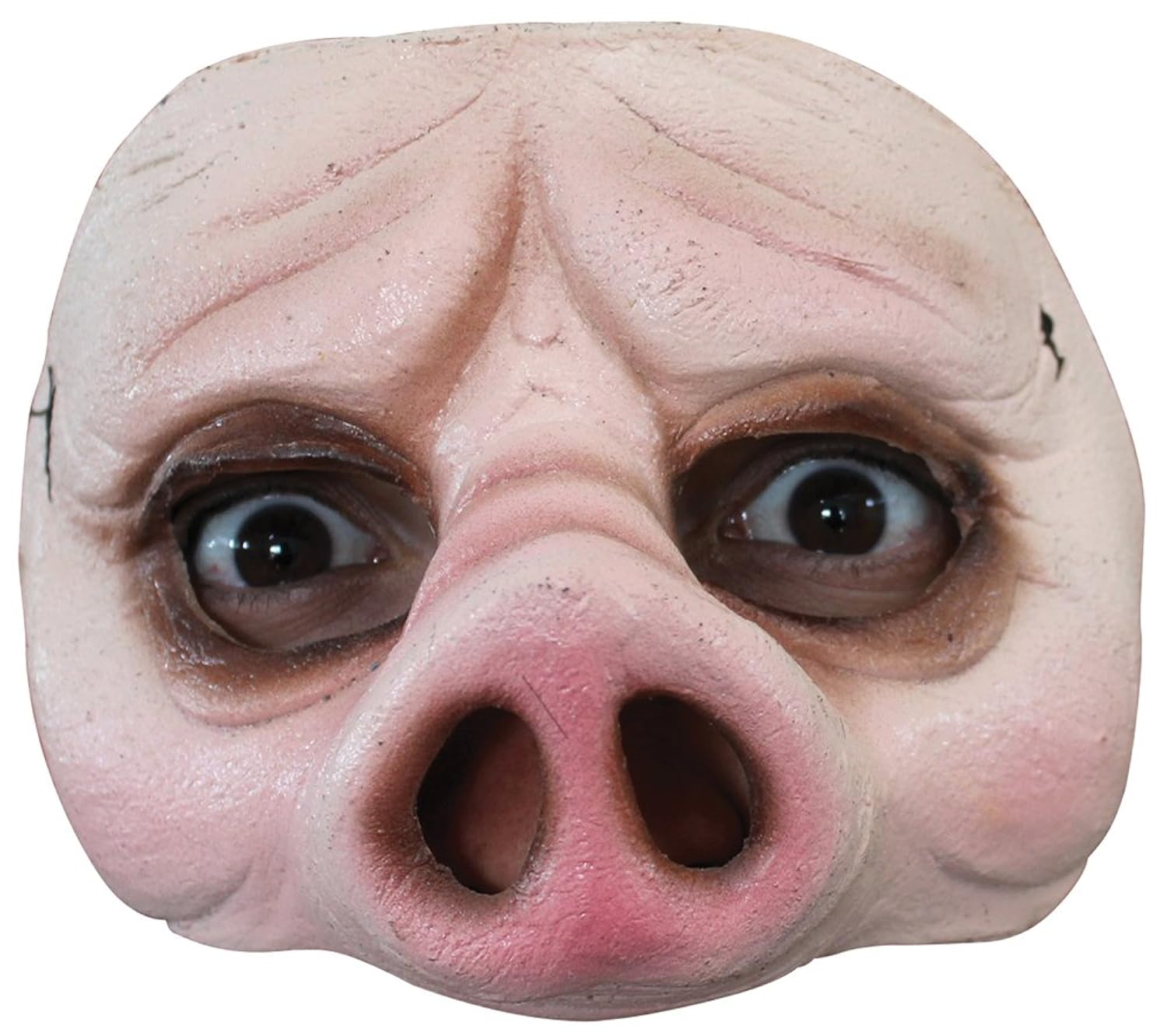
In summary, the psychology behind our love for scary pumpkin masks and the thrill of fear is multifaceted. Rooted in historical traditions, fear serves various evolutionary and psychological purposes that contribute to our attraction to it. Scary pumpkin masks, as a prominent symbol of Halloween, encapsulate this allure with their grotesque designs and cultural significance. Engaging with fear allows us to experience adrenaline, bond socially, and explore our perceptions of the unknown in a safe environment.
As we carve our pumpkins and don our costumes this Halloween, let us embrace the excitement and thrill that fear brings, understanding that it is not just about the fright but also about the joy of facing our fears head-on.