Canada’s currency has undergone significant transformation over the years, reflecting the nation’s economic evolution and societal values. Among the various denominations, the Canadian penny, especially the one minted in 1970, holds a unique place in the hearts of Canadians and in the history of Canadian currency. This article explores the historical context of the 1970 Canadian penny, its design, production, and the broader implications for Canada’s monetary system.
The Evolution of Canadian Currency
The history of Canadian currency dates back to the early 19th century when the country was still a collection of British colonies. The Canadian dollar was officially adopted in 1871, following the Confederation in 1867. Before that, various forms of currency were used, including British pounds, US dollars, and local currencies. The introduction of a national currency allowed for a more unified economic system.
Key milestones in the evolution of Canadian currency include:
- 1867: Confederation of Canada, leading to the establishment of a unified currency system.
- 1871: The Canadian dollar becomes the official currency.
- 1908: The Royal Canadian Mint is established in Ottawa.
- 1937: The introduction of the first decimal currency, transitioning from the old system.
The 1970 Canadian Penny

The 1970 Canadian penny is not just another coin; it represents a pivotal moment in Canada’s currency history. The coin was part of a series of changes that aimed to modernize and standardize Canadian currency. Here’s a closer look at the features and significance of the 1970 penny:
Design Features

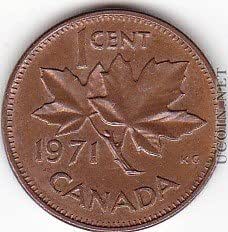
The 1970 penny features the iconic image of the Canadian maple leaf, a symbol of national identity. The reverse side displays a single maple leaf, which was designed by Canadian artist G. E. Kruger-Gray. Here are the specific design features:
- Diameter: 19.05 mm
- Weight: 2.45 grams
- Composition: 98% copper, 0.5% tin, and 1.5% zinc
- Minting: The coins were minted at the Royal Canadian Mint, emphasizing quality and craftsmanship.
Historical Context
The 1970 penny was minted during a time of economic growth and inflation in Canada. The late 1960s and early 1970s saw an increase in consumer prices, which influenced the Canadian government’s monetary policies. The minting of the penny coincided with a shift in focus toward modernizing Canada’s coinage, moving away from British influences and embracing a uniquely Canadian identity.
Production and Distribution
Approximately 300 million pennies were produced in 1970, making it one of the most common coins in circulation at the time. The Royal Canadian Mint played a crucial role in the distribution of these coins. The mint’s ability to produce coins in large quantities ensured that the economy could meet the growing demand for smaller denominations.
The Penny’s Role in Canada’s Economy
The penny, particularly the 1970 version, played an essential role in everyday transactions, allowing Canadians to make purchases without needing to round up or down. While its low value may seem trivial today, the penny was a vital part of the monetary system, facilitating trade and commerce.
Impact of Inflation
As inflation rates began to rise in the late 20th century, the purchasing power of the penny diminished significantly. The economic landscape shifted, leading to discussions about the practicality of retaining the penny in circulation. By the 2000s, the cost of producing pennies often exceeded their face value, raising concerns about their continued relevance.
The Decision to Discontinue the Penny

In 2012, the Government of Canada announced the discontinuation of the penny, officially ceasing its production. This decision was met with mixed reactions from the public. While some Canadians welcomed the move as a step toward modernizing the currency system, others expressed nostalgia for the little coin that had been a part of their lives for generations.
Collecting the 1970 Canadian Penny

The 1970 Canadian penny has become a sought-after item for collectors. Its historical significance, along with its relatively high mintage, makes it an interesting piece for numismatists. Collectors often seek various grades of the coin, with uncirculated versions fetching higher prices in the market. Here are some reasons why the 1970 penny is popular among collectors:
- Historical Significance: Represents a unique period in Canada’s monetary history.
- Design Appeal: The maple leaf design resonates with Canadian identity.
- Market Value: Depending on condition, the coin can be worth more than its face value.
The Legacy of the 1970 Canadian Penny
The 1970 Canadian penny serves as a fascinating glimpse into the evolution of Canadian currency and the economic landscape of the time. From its symbolic design to its role in everyday transactions, the penny reflects Canada’s journey towards a more modern monetary system. Although it is no longer in circulation, the legacy of the penny lives on, not just as a piece of currency but as a part of Canada’s rich history.
Key takeaways from the history of the 1970 Canadian penny include:
- The penny’s design encapsulates Canadian identity through its iconic maple leaf.
- Economic factors led to the eventual discontinuation of the penny in 2012.
- The penny remains a valuable item for collectors and a symbol of Canada’s monetary evolution.
In reflecting on the past, the 1970 Canadian penny stands as a reminder of how currency not only facilitates trade but also embodies the values and identity of a nation.