In today’s digital age, the integration of technology into education has become increasingly important. Among the various tools available, primary writing tablets have emerged as invaluable resources for enhancing early literacy skills in children. These devices not only facilitate the learning process but also foster a love for reading and writing. This article explores the benefits of primary writing tablets, their impact on literacy development, and real-world applications that illustrate their effectiveness.
The Importance of Early Literacy Skills
Early literacy skills are the foundation upon which children build their reading and writing abilities. These skills encompass a range of competencies, including phonemic awareness, vocabulary acquisition, and comprehension. The National Early Literacy Panel emphasizes the significance of these skills, stating that early literacy is a predictor of later academic success. Research shows that children who develop strong literacy skills in their formative years are more likely to excel in school and beyond.
What Are Primary Writing Tablets?
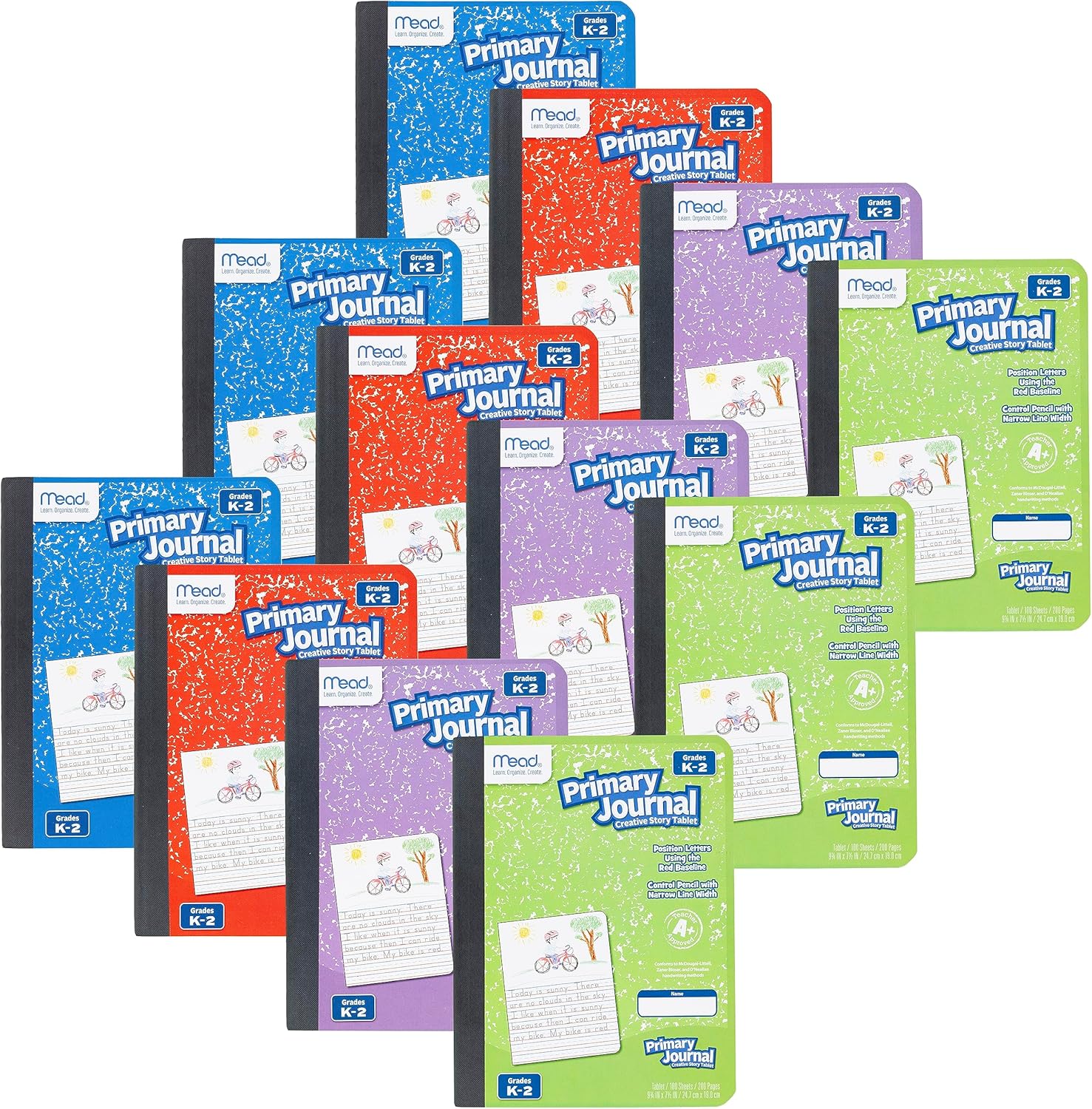
Primary writing tablets are specially designed digital devices that cater to young learners. They provide an interactive and engaging platform for children to practice writing and literacy skills. Unlike traditional tablets, primary writing tablets focus on features that promote learning, such as:
- Handwriting Recognition: Many tablets have technology that recognizes and converts handwritten input into text.
- Interactive Learning Apps: These tablets come pre-loaded or can be equipped with educational apps that enhance phonics, vocabulary, and reading skills.
- Durable Design: Built to withstand the rigors of young users, these devices are often rugged and spill-resistant.
- User-Friendly Interface: Designed with intuitive navigation, they are easy for young children to use independently.
How Primary Writing Tablets Enhance Literacy Skills
Primary writing tablets enhance literacy skills in various ways, making them effective tools for early childhood education. Here are some key areas where they excel:
1. Promoting Engagement Through Interactive Learning
Children are naturally curious, and primary writing tablets capitalize on this curiosity by providing interactive content. Engaging apps and games encourage children to practice writing, spelling, and reading in a fun and stimulating environment. For example:
- Story Creation Apps: Apps that allow children to create their own stories foster creativity and narrative skills.
- Phonics Games: Interactive phonics games help children associate sounds with letters, reinforcing foundational reading skills.
2. Supporting Diverse Learning Styles

Every child learns differently. Primary writing tablets accommodate various learning styles by offering a mix of visual, auditory, and kinesthetic activities. For instance:
- Visual Learners: Animated graphics and colors capture attention and enhance memory retention.
- Auditory Learners: Read-aloud features support children who benefit from hearing words pronounced correctly.
- Kinesthetic Learners: Touchscreen capabilities allow children to physically interact with letters and words, reinforcing learning through movement.
3. Building Confidence in Writing

Writing can be daunting for young learners, especially when using traditional methods like pencils and paper. Primary writing tablets offer a less intimidating platform for practice. The benefits include:
- Error Correction: Instant feedback on spelling and grammar encourages children to learn from their mistakes without fear of judgment.
- Creative Freedom: The ability to easily erase and rewrite encourages experimentation and reduces anxiety about making errors.
4. Facilitating Parent and Teacher Involvement

Primary writing tablets can also enhance collaboration between parents, teachers, and students. Many devices come with features that allow adults to track progress and engage in the learning process. For example:
- Progress Tracking: Apps that monitor children’s progress in literacy skills help parents and teachers identify areas that need more focus.
- Shared Activities: Some tablets enable collaborative projects where parents can participate in their child’s learning journey.
Case Studies and Real-World Applications
Numerous studies and real-world examples illustrate the effectiveness of primary writing tablets in enhancing early literacy skills. Here are a few notable instances:
Case Study 1: The Impact of Tablets in a Kindergarten Classroom

A study conducted in a kindergarten classroom found that children who used primary writing tablets showed a significant increase in their literacy skills compared to those who did not. The results indicated that:
- Students improved their phonemic awareness by 30% over a six-month period.
- Engagement levels during literacy activities increased, leading to a more positive attitude towards learning.
Case Study 2: Parental Involvement through Tablets
In a pilot program designed to enhance parent-child literacy activities, families were provided with primary writing tablets. The outcome was promising:
- 75% of parents reported increased involvement in their child’s reading and writing practice.
- Children exhibited a 40% increase in vocabulary acquisition over the course of the program.
Challenges and Considerations

While primary writing tablets offer numerous benefits, there are challenges and considerations to keep in mind:
- Screen Time: It’s essential to balance screen time with traditional learning methods to prevent overexposure.
- Content Quality: Not all apps are created equal; educators and parents must choose high-quality, educational content.
- Accessibility: Ensuring that all children have access to these resources is crucial for equitable learning opportunities.
Primary writing tablets represent a revolutionary approach to enhancing early literacy skills in English. By promoting engagement, supporting diverse learning styles, building confidence, and facilitating collaboration, these devices serve as powerful tools in a child’s educational journey. As the landscape of education continues to evolve, leveraging the potential of primary writing tablets can significantly contribute to a child’s literacy development. As we move forward, it is essential to address challenges such as screen time management and content quality to maximize the benefits of this innovative technology. By doing so, we can ensure that all children have the opportunity to thrive as confident and capable readers and writers.