Training a dog can be a challenging but rewarding experience. Among the many tools available to help with training, the prong collar—often referred to as a pinch collar—has gained popularity. When used correctly, it can be effective in teaching dogs proper leash manners and behavior. However, selecting the right prong collar with a buckle is crucial to ensure both effectiveness and safety. This article will guide you through the process of choosing the right prong collar for your dog, considering various factors including size, material, and proper usage.
Understanding Prong Collars

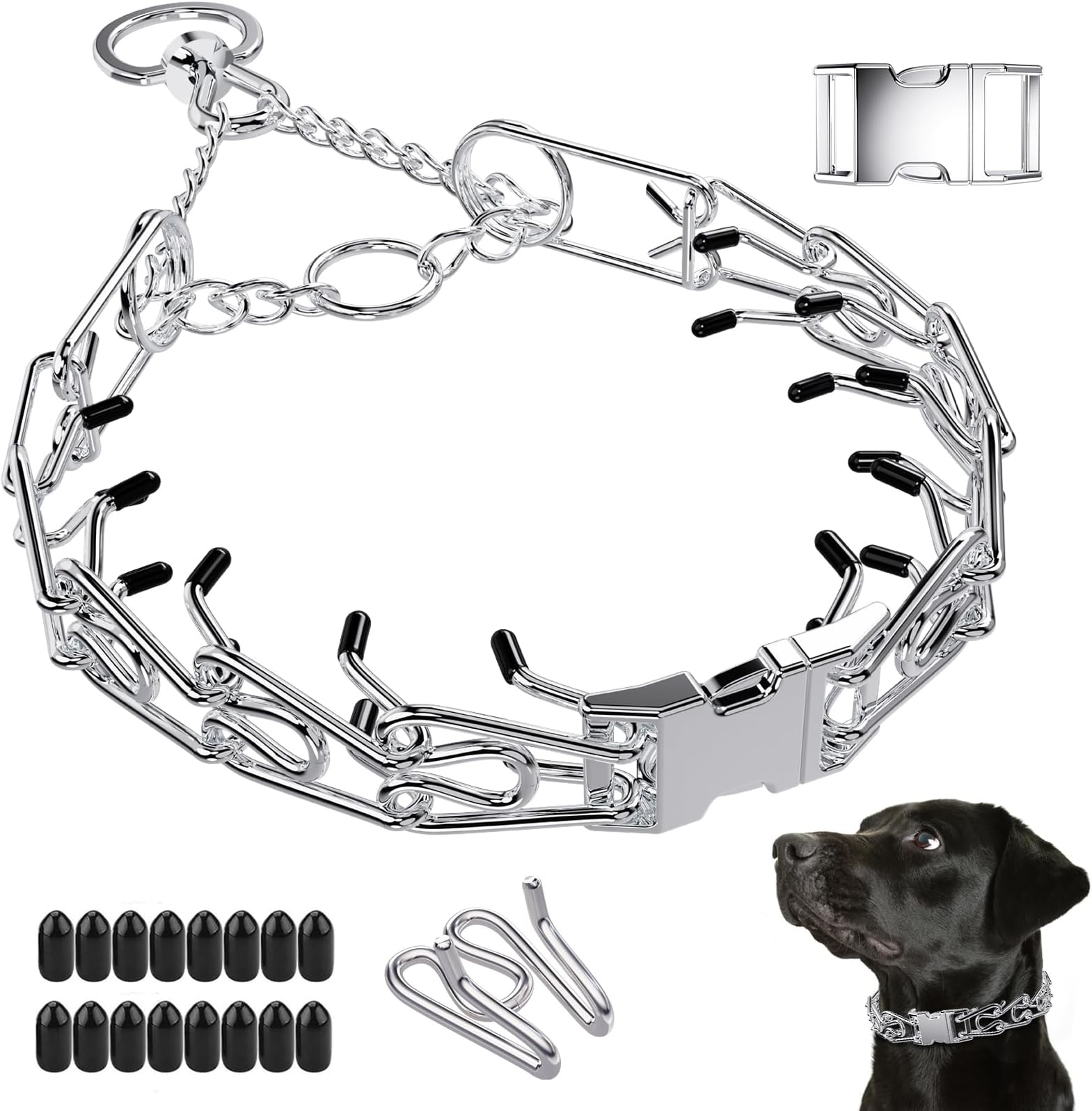
Prong collars are designed to provide a quick and gentle correction to dogs that pull on the leash or exhibit unwanted behaviors. They consist of metal links that have blunt prongs facing inward, which apply pressure around the dog’s neck when tension is applied to the leash. Unlike choke collars, prong collars are often viewed as more humane, provided they are used correctly. Here are some key characteristics:
- Design: The collar resembles a chain with metal prongs that pinch the dog’s neck when pulled.
- Adjustability: Most prong collars come with removable links, allowing for size adjustments.
- Quick Release: Many prong collars include a buckle for easy on and off, which enhances convenience.
Factors to Consider When Choosing a Prong Collar
Choosing the right prong collar for your dog involves several considerations, including size, material, and purpose.
1. Size Matters

Choosing the correct size is essential for the collar to be effective and safe. An ill-fitting collar can lead to discomfort or injury. Here’s how to measure your dog:
- Neck Measurement: Measure around the widest part of your dog’s neck. This will help you choose a collar that fits snugly without being overly tight.
- Link Count: Most prong collars come with multiple links. A collar with too many links will be loose and ineffective, while one with too few will be too tight.
2. Material and Durability

Prong collars are typically made from metal, but the quality of the material can vary:
- Stainless Steel: Offers durability and rust resistance, making it ideal for long-term use.
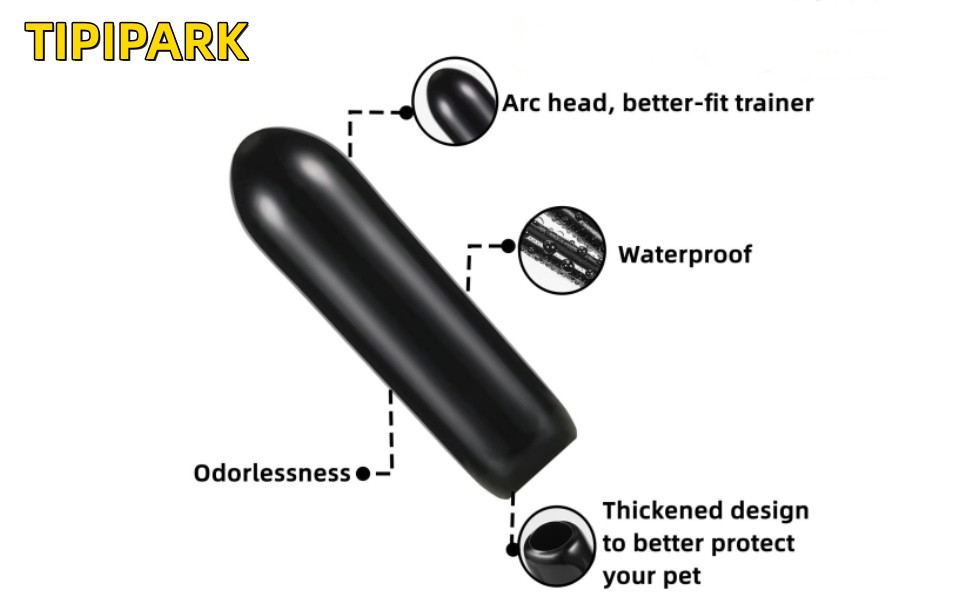
- Coated Options: Some collars are coated with plastic or rubber for a gentler feel against the dog’s skin.
- Weight Consideration: A heavier collar may be suitable for larger dogs, while a lighter option is better for smaller breeds.
3. Buckle vs. Snap-On
When selecting a prong collar, consider the type of fastening mechanism:
- Buckle Collars: These provide a more secure fit and are less likely to come undone accidentally.
- Snap-On Collars: Easier to put on and take off but may have a higher risk of unintentional release.
How to Use a Prong Collar Correctly
Using a prong collar improperly can lead to injury or behavioral issues. Here are some guidelines for safe and effective use:
- Training First: Before using a prong collar, ensure your dog has basic obedience training. This will help them understand commands and reduce the need for corrections.
- Correct Placement: Place the collar high on the dog’s neck, just behind the ears. This position is most effective for delivering corrections.
- Short Corrections: Use quick, gentle corrections rather than prolonged pressure on the leash. The goal is to guide, not to punish.
- Supervision: Always supervise your dog while they wear a prong collar, especially when they are playing with other dogs.
Case Studies and Examples
Many pet owners have successfully utilized prong collars for training purposes. For instance:
- Case Study 1: A Labrador Retriever named Max was notorious for pulling on the leash during walks. After several sessions with a prong collar, Max’s owners reported a significant improvement in his walking behavior within two weeks.
- Case Study 2: Bella, a Rottweiler, had behavioral issues that included lunging at other dogs. With the appropriate training and the correct prong collar, Bella learned to walk calmly alongside her owner, leading to a more enjoyable walking experience.
Statistics on Dog Behavior and Training

According to a survey conducted by the American Kennel Club (AKC), approximately 70% of dog owners reported challenges with leash pulling. Additionally, a study published in the Journal of Veterinary Behavior found that collars designed for correction, when used correctly, can lead to improved obedience and reduced unwanted behaviors in dogs.
Alternatives to Prong Collars
While prong collars can be effective, they are not the only option. Other alternatives include:
- Flat Collars: Suitable for everyday wear, but may not be effective for dogs that pull.
- Martingale Collars: Designed to prevent dogs from slipping out but still provide gentle correction.
- Head Halters: Control the head, making it easier to manage pulling behavior without putting pressure on the neck.
Choosing the right prong collar with a buckle for your dog requires careful consideration of size, material, and how it will be used. Understanding how to properly use a prong collar is just as important as selecting the right one; it can lead to a safer and more effective training experience. While prong collars can be beneficial for many dogs, it’s essential to explore all training options and consult with a professional trainer if you’re unsure. Remember, a well-trained dog is a happy dog, and a prong collar can be a valuable tool in achieving that goal.
In summary, the key takeaways are:
- Measure your dog’s neck accurately to choose the right size.
- Consider the material and durability of the collar.
- Choose a buckle collar for added security.
- Use the collar correctly to ensure effectiveness and safety.
- Explore alternative training tools as needed.
With the right approach and tools, you can transform your dog’s behavior and enhance your walking experience together.