Punk music emerged in the mid-1970s as a raw, energetic genre that challenged the status quo of popular culture. It wasn’t just about the music; it was a full-fledged cultural movement that embraced rebellion, individuality, and dissent. One of the most striking aspects of this movement was its visual representation, particularly through punk music posters. These posters served as critical tools for communication, activism, and art, encapsulating the ethos of rebellion that defined the punk scene. This article delves into the art of punk music posters, exploring their significance, design elements, and the impact they had on the punk movement and beyond.
The Historical Context of Punk Music
The roots of punk music can be traced back to the dissatisfaction with mainstream rock music in the early 1970s. Bands like The Ramones, Sex Pistols, and The Clash emerged with a sound that was loud, fast, and unapologetically confrontational. Punk was not just a musical genre; it was a reaction to various societal issues, including economic hardship, political corruption, and cultural conformity.
- Economic Discontent: The punk movement arose during a time of economic decline in the UK and the US, leading to frustration among the youth.
- Political Unrest: The rise of conservative politics and social injustice fueled the punk ideology of rebellion.
- Cultural Homogeneity: Punk music sought to break free from the polished aesthetics of mainstream rock, celebrating rawness and authenticity.
The Role of Posters in the Punk Movement
Punk music posters became a vital form of expression, not only promoting gigs and albums but also conveying messages of defiance and resistance. These posters were often designed by the bands themselves or local artists, reflecting the DIY ethos of punk culture. The art of poster-making became an essential aspect of the punk identity.
DIY Ethos and Accessibility
The punk movement championed a do-it-yourself (DIY) approach, encouraging individuals to create their own art rather than relying on commercial producers. This ethos extended to poster-making, where anyone could design and distribute their own promotional materials. The accessibility of materials and printing processes allowed for a proliferation of unique, hand-crafted designs.
Art as Activism
Punk posters were often laden with political messages, using provocative imagery and slogans to challenge the status quo. The posters served as a canvas for social commentary, addressing various issues such as:
- Government corruption
- Racism and xenophobia
- War and violence
- Gender inequality
For example, the iconic “God Save the Queen” poster by the Sex Pistols not only promoted their music but also boldly criticized the monarchy and British society at large.
Visual Elements of Punk Posters
The visual language of punk posters was distinct and often jarring, characterized by the following elements:
Bold Typography
Punk posters frequently featured bold, sometimes chaotic typography that reflected the urgency and intensity of the music itself. Fonts were often hand-drawn or cut out from magazines, contributing to the DIY aesthetic.
Provocative Imagery

Imagery in punk posters often included graphic art, collage, and photographs that conveyed a sense of rebellion. Artists like Jamie Reid, known for his work with the Sex Pistols, utilized cut-and-paste techniques that became emblematic of punk visual culture.
Color Schemes
Punk posters utilized stark contrasts and vibrant colors to grab attention. The use of black and white alongside neon colors was common, reflecting the raw energy of punk music.
Case Studies: Iconic Punk Posters

Several punk posters have become iconic, not just within the punk community but in the broader context of art and culture. Here are a few notable examples:
The Sex Pistols – “God Save the Queen”
This poster is a prime example of punk’s intersection with political commentary. Featuring a striking black-and-white image of Queen Elizabeth II with the phrase “God Save the Queen” twisted into a rebellious message, it encapsulated the anger and discontent of the era.
The Clash – “London Calling”
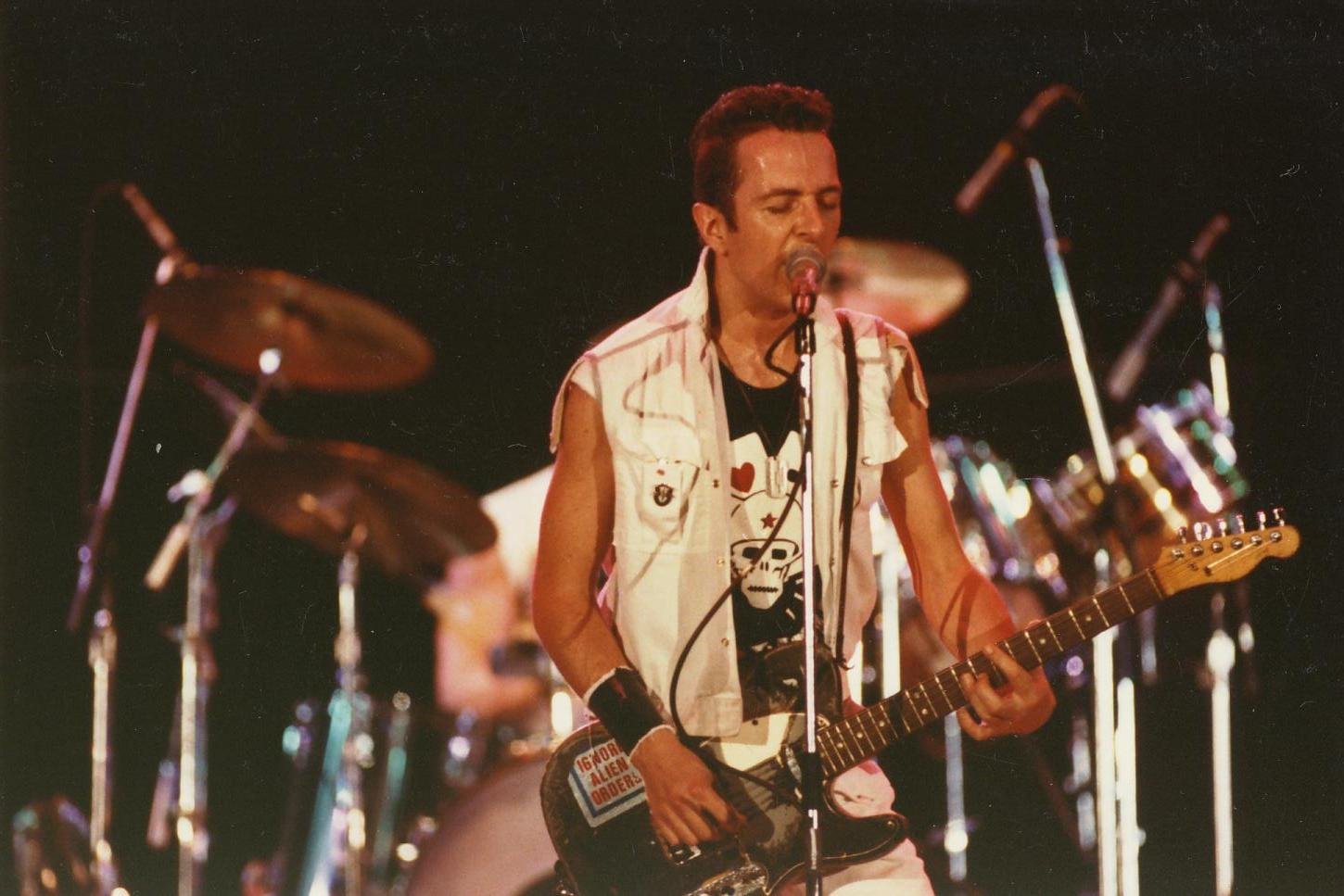
The “London Calling” poster features a powerful image of bassist Paul Simonon smashing his guitar. This image has become synonymous with the punk movement, symbolizing destruction and rebellion against the music industry’s commercialization.
The Ramones – “The Ramones” Album Cover
While not a poster in the traditional sense, the album cover for The Ramones’ debut album became an iconic representation of punk culture. The simplistic design and the band’s leather jackets signified the raw essence of punk.
The Evolution of Punk Posters
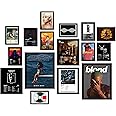
As punk evolved through the 1980s and beyond, so did its visual representation. The rise of digital technology and the internet changed the landscape of poster-making, allowing for new forms of creativity and distribution.
Digital Revolution

With the advent of digital design tools, punk posters began to reflect contemporary issues and aesthetics while retaining their rebellious spirit. Online platforms allowed artists to reach a global audience, ensuring the punk message continued to resonate.
Revival of Vintage Aesthetic
In recent years, there has been a resurgence of interest in vintage punk aesthetics, with contemporary artists and designers drawing inspiration from classic punk posters. This revival speaks to the enduring impact of punk culture and its visual language.
The Cultural Impact of Punk Posters

Punk posters have transcended their original purpose, becoming valuable artifacts in art history. They are now recognized not only for their artistic merit but also for their role in shaping cultural narratives. Museums and galleries have embraced punk art, showcasing its significance in contemporary visual culture.
Art Exhibitions and Collectibles
Many punk posters have been featured in art exhibitions, highlighting their importance as cultural artifacts. Collectors seek out original posters, with some fetching high prices at auctions. For example, a rare Sex Pistols poster sold for over $14,000 at auction, underscoring the financial value attributed to these pieces of art.
Legacy in Contemporary Culture
The legacy of punk posters is evident in various aspects of modern design, influencing everything from graphic novels to fashion. The rebellious spirit of punk continues to inspire new generations of artists and musicians.
The Enduring Legacy of Punk Music Posters
The art of punk music posters is a fascinating intersection of rebellion, creativity, and social commentary. These posters encapsulated the raw energy of the punk movement while serving as a platform for political expression and individualism. As we look back on the punk era, it is clear that its visual culture played a pivotal role in shaping the broader narrative of resistance against conformity.
Today, punk posters are not just relics of a bygone era; they continue to inspire and provoke thought, reminding us of the power of art in the face of societal challenges. The DIY ethos, bold imagery, and unapologetic messages of punk posters remain relevant, encouraging new generations to find their voices and express their discontent through art.