The 18th century was a pivotal time for literature, especially in the realm of erotic content. One of the most iconic works from this period is “Fanny Hill: Memoirs of a Woman of Pleasure” by John Cleland, published in 1748. This novel not only pushed the boundaries of sexual expression but also highlighted the integral role of illustrations in the dissemination and reception of erotic literature. In this article, we will explore how illustrations enhanced the reading experience of “Fanny Hill” and other works of its time, the cultural implications of these images, and their lasting impact on erotic literature.
The Historical Context of 18th Century Erotica
The 18th century marked a significant shift in societal norms, especially regarding sexuality and morality. The Enlightenment period brought about a questioning of traditional values, and literature began to reflect a more liberal attitude towards sex. As a result, erotic literature flourished, often pushing the boundaries of what was considered acceptable.
- Literary Freedom: Authors began to explore themes of desire, pleasure, and sexual identity.
- Emergence of the Novel: The rise of the novel as a literary form allowed for more nuanced storytelling, including the exploration of erotic themes.
- Print Culture: The proliferation of printing presses made literature more accessible, leading to a wider audience for erotic works.
In this context, “Fanny Hill” emerged as a groundbreaking work that not only depicted explicit sexual encounters but also incorporated illustrations that enhanced its eroticism.
Illustrations: The Visual Language of Erotica

Illustrations played a crucial role in the erotic literature of the 18th century, serving multiple purposes that amplified the narrative and engaged readers on a sensory level. The images accompanying texts like “Fanny Hill” were not merely decorative; they were essential to the storytelling process.
Enhancing Narrative Through Visuals
Illustrations in “Fanny Hill” and similar works provided a visual representation of the text, allowing readers to immerse themselves further into the story. These images often depicted key scenes, characters, and settings, enriching the reader’s understanding and engagement with the narrative.
- Character Visualization: Illustrations helped readers picture the protagonist, Fanny, and other characters, making their experiences more relatable and vivid.
- Scene Setting: The artwork provided a glimpse into the opulent and sometimes scandalous settings in which the story unfolded.
- Emotional Impact: Images could convey emotions and tensions that words alone might not fully capture, creating a more immersive experience.
Provoking the Imagination
Illustrations also served to provoke the imagination, inviting readers to explore their fantasies. In an era when public discussions of sex were often taboo, these images offered a private escape into a world of sensuality.
- Fantasy and Desire: The illustrations often portrayed idealized bodies and erotic situations, tapping into readers’ desires and fantasies.
- Subversion of Norms: By depicting sexual acts and nudity, these illustrations challenged societal norms and encouraged readers to question their views on sexuality.
- Visual Metaphors: Many images used symbolism to convey deeper meanings about desire, pleasure, and liberation.
The Controversy Surrounding Illustrations
While illustrations played a significant role in enhancing erotic literature, they were not without controversy. The explicit nature of the images often led to debates about morality and decency, particularly regarding “Fanny Hill.”
Censorship and Legal Battles
Upon its release, “Fanny Hill” faced legal challenges due to its explicit content. The illustrations, which were often graphic, added fuel to the fire. The debates surrounding censorship highlighted the tension between artistic expression and societal norms.
- Legal Prosecutions: Cleland himself was imprisoned for obscenity, illustrating the risks authors faced when pushing boundaries.
- Public Outrage: Many considered the illustrations indecent, leading to widespread condemnation from moralists and religious groups.
- Impact on Publishing: The controversy influenced the publishing industry, leading to a more cautious approach regarding erotic content.
The Dual Nature of Illustrations

The illustrations served a dual purpose: they were both titillating and provocative, yet they also sparked discussions about morality and ethics in literature. This duality reflected the complexities of human sexuality and societal attitudes during the 18th century.
Case Studies: Other Works of 18th Century Erotica

To understand the broader role of illustrations in 18th-century erotica, it is essential to consider other notable works alongside “Fanny Hill.” Each of these texts used illustrations in unique ways to enhance their narratives.
The “Decameron” by Giovanni Boccaccio

Though originally written in the 14th century, the 18th century saw numerous illustrated editions of Boccaccio’s “Decameron.” These editions often included explicit illustrations that complemented the tales of illicit love and desire.
- Visual Storytelling: Illustrations provided context to the stories, often depicting scenes of seduction and romance.
- Celebration of Sexuality: The artwork embraced the erotic themes of the text, celebrating human desire and pleasure.
The “Liaisons Dangereuses” by Pierre Choderlos de Laclos
This infamous French novel, published in 1782, featured illustrations that emphasized its themes of manipulation and seduction. The images often depicted the moral complexities of the characters’ actions, reflecting the novel’s intricate social commentary.
- Character Dynamics: The illustrations highlighted the power dynamics between characters, enhancing the reader’s understanding of their relationships.
- Social Critique: The images often served as a critique of the aristocracy, exposing the darker sides of desire and manipulation.
The Lasting Impact of Illustrations in Erotic Literature
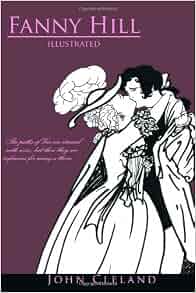
The role of illustrations in 18th-century erotica cannot be overstated. They transformed the way readers engaged with literature, paving the way for future generations of erotic writers and artists. The impact of these visual representations continues to resonate in contemporary literature and art.
- Influence on Modern Erotica: Today’s erotic literature often employs illustrations to enhance storytelling, echoing the practices of the 18th century.
- Visual Art and Erotica: The interplay between visual art and erotic literature remains a vibrant field, with contemporary artists exploring themes of sexuality and desire.
- Cultural Shifts: The acceptance of erotic literature and art has evolved, but the fundamental connection between text and imagery remains strong.
In conclusion, “Fanny Hill” and the broader landscape of 18th-century erotica illustrate the profound impact that illustrations had on the reading experience. These visual elements enriched narratives, provoked the imagination, and sparked conversations about morality and desire. The controversies surrounding these illustrations only served to highlight their significance in the cultural discourse of the time. As we reflect on the legacy of 18th-century erotic literature, it is clear that illustrations played a vital role in shaping the way we understand and engage with the themes of sexuality and pleasure. The interplay between text and image continues to influence contemporary literature and art, affirming the enduring power of visual representation in the exploration of human desire.