Biking is not just a means of transport; it’s a lifestyle for many enthusiasts. Whether you ride for leisure, fitness, or commuting, the need to securely carry your belongings while riding cannot be overstated. This is where bike bags come into play. However, securing your bike bag on a bike rack requires careful consideration to prevent theft and ensure safety. In this ultimate guide, we will explore effective strategies, tools, and tips for securing your bike bag while using a bike rack.
Understanding the Importance of Securing Your Bike Bag
Bike bags are not only practical for carrying essentials but can also be expensive. Securing them properly can help prevent theft and damage. Here are some reasons why securing your bike bag is crucial:
- Theft Prevention: Bikes and their accessories, including bags, are common targets for thieves. A secure bag can deter theft.
- Safety: An unsecured bag can fall off while riding, causing accidents or losing your belongings.
- Protection from Elements: Properly secured bike bags can better withstand weather conditions, keeping your items safe and dry.
Types of Bike Bags and Their Features
Understanding the types of bike bags available can help you choose the best one for your needs, as well as the appropriate methods for securing them. Here are some common types:
- Panniers: These are bags that attach to the sides of the bike rack. They often come with quick-release features for easy removal.
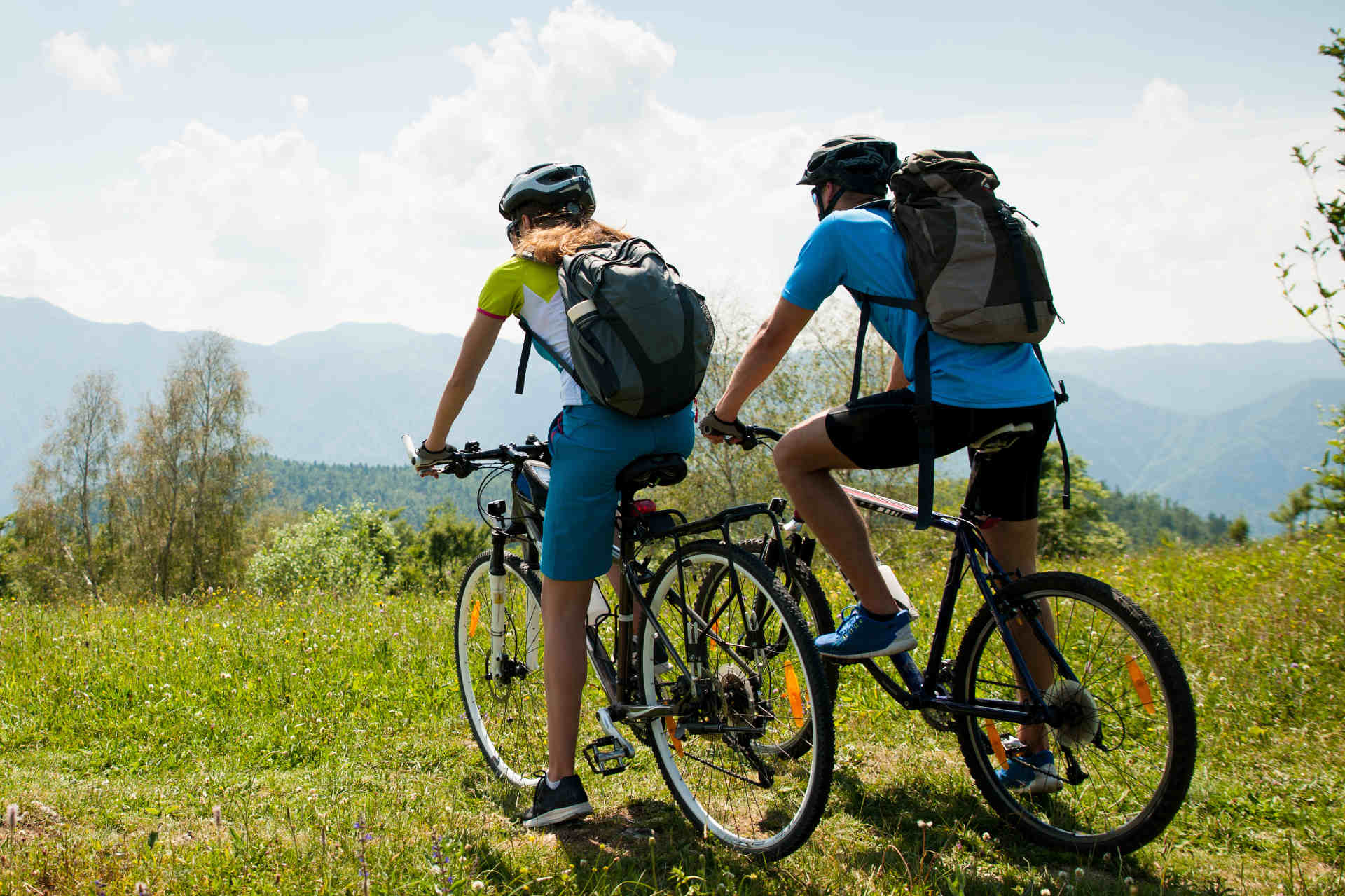
- Backpacks: Some cyclists prefer backpacks for their versatility. They often have additional safety features like reflective materials.
- Seat Bags: These attach directly beneath the bike seat and are ideal for carrying small items like tools and personal belongings.
- Frame Bags: These fit within the bike’s frame and are great for balancing weight while riding.
Essential Tools for Securing Your Bike Bag
To secure your bike bag effectively, you will need some tools and accessories. Here are some essentials:
- Bike Lock: A high-quality U-lock or chain lock is crucial for securing both your bike and your bag. Look for locks with high-security ratings.
- Straps: Additional straps or bungee cords can help secure your bag to the rack or bike frame.
- Reflective Accessories: Adding reflective elements can enhance visibility, which is especially important if you are parking your bike in low-light areas.
Step-by-Step Guide to Securing Your Bike Bag on a Bike Rack

Now that you understand the importance, types, and tools, let’s go through a step-by-step process to secure your bike bag effectively:
Step 1: Prepare Your Bike and Bag
Before securing, ensure your bike and bag are ready. Check that:
- Your bike is in good working condition.
- The bag is packed securely, with heavier items at the bottom for better balance.
- All zippers and compartments are closed to prevent items from falling out.
Step 2: Use the Bike Rack Properly
Position your bike correctly on the rack. Make sure:
- The bike is stable and upright.
- The bike bag is placed in a way that it does not obstruct the wheels or chain.
- The bag is evenly distributed on both sides of the bike to maintain balance.
Step 3: Lock Your Bike and Bag

When locking your bike, follow these guidelines:
- Use a U-lock to secure the frame and rear wheel to the bike rack.
- If your bag has a quick-release feature, lock it to the frame or rack using a secondary strap.
- For additional security, consider using a cable lock to secure the bag itself to the bike or rack.
Step 4: Double-Check Security
After securing everything, take a moment to check:
- Ensure the locks are properly engaged and cannot be easily removed.
- Inspect the bag to ensure it’s tightly secured and won’t shift during transit.
Case Studies: Learning from Experiences
Learning from the experiences of others can provide valuable insights. Here are a couple of case studies related to securing bike bags:
Case Study 1: Theft Prevention in Urban Areas
In a city like San Francisco, where bike theft is rampant, a local cycling community shared their strategies. They emphasized using high-security U-locks and always securing bags with additional straps. They reported a significant decrease in theft incidents when they implemented these practices.
Case Study 2: Commuter Insights

A commuter in New York City shared their experience of securing a backpack to their bike. Initially, they faced issues with the bag shifting during rides. By switching to a pannier and using a secondary lock to secure it, they found their commute much safer and more enjoyable.
Statistics on Bike Theft
Understanding the statistics surrounding bike theft can reinforce the importance of securing your bike bag:
- According to the National Bike Registry, over 1.5 million bikes are stolen each year in the U.S.
- Research indicates that around 30% of bike thefts occur in urban areas, often in poorly lit or crowded locations.
- Approximately 60% of stolen bikes are taken from public places, highlighting the need for secure locking methods.
Additional Tips for Securing Your Bike Bag
Here are a few extra tips to enhance your security:
- Park in Well-Lit Areas: Always park your bike in well-lit, populated areas to deter thieves.
- Use GPS Trackers: Consider investing in a GPS tracker for your bike and bag for added peace of mind.
- Insurance: Consider insuring your bike and belongings to protect against theft or damage.
Securing your bike bag on a bike rack is more than just a precaution; it is an essential practice for every cyclist. By understanding the types of bike bags, utilizing the right tools, and following a systematic approach to securing your belongings, you can significantly reduce the risk of theft and enhance your overall biking experience. Remember to always stay informed about best practices and adapt your security measures based on your surroundings. With these insights, you’re now equipped to ride confidently, knowing your belongings are safe and secure.