When it comes to installing a chain link fence, gate wheels play a crucial role in ensuring the smooth operation of the gate. They support the weight of the gate, allowing it to swing open and closed with ease. However, with various types of gate wheels available on the market, choosing the right one can be a daunting task. This article will explore the different types of chain link fence gate wheels, their features, advantages, disadvantages, and which one may be the best for your specific needs.
Understanding Chain Link Fence Gate Wheels

Chain link fence gate wheels are essential components that facilitate the movement of a gate. They are designed to handle the weight of the gate and ensure its smooth operation. The correct choice of gate wheel can significantly affect the longevity and functionality of your fence gate.
Types of Chain Link Fence Gate Wheels

There are several types of gate wheels available. Each type comes with its distinct features and benefits. Below, we will delve into the most popular options:
- Plastic Gate Wheels
- Metal Gate Wheels
- Rubber Gate Wheels
- Adjustable Gate Wheels
- Heavy-Duty Gate Wheels
Plastic Gate Wheels

Plastic gate wheels are typically made from high-density polyethylene or similar materials. They are lightweight and resistant to corrosion, making them a popular choice for residential applications.
- Advantages:
- Lightweight and easy to install.
- Corrosion-resistant, thus ideal for wet environments.
- Cost-effective, making them suitable for budget-conscious projects.
- Disadvantages:
- Less durable than metal options.
- May not support heavy gates effectively.
Metal Gate Wheels
Metal gate wheels are often made from steel or aluminum. These wheels are known for their strength and durability, making them suitable for both residential and commercial applications.
- Advantages:
- Superior strength and longevity compared to plastic wheels.
- Can support heavier gates, making them ideal for large entrances.
- Less prone to damage from environmental factors.
- Disadvantages:
- Heavier and may require more effort to install.
- Can rust if not properly treated or coated.
Rubber Gate Wheels
Rubber gate wheels are designed to provide added traction, thus reducing the risk of slipping or skidding. They are often used in environments where smooth movement is critical.
- Advantages:
- Excellent grip on various surfaces.
- Quiet operation compared to metal wheels.
- Less likely to damage the ground surface when rolling.
- Disadvantages:
- Can wear out faster than metal options.
- May not support very heavy gates effectively.
Adjustable Gate Wheels
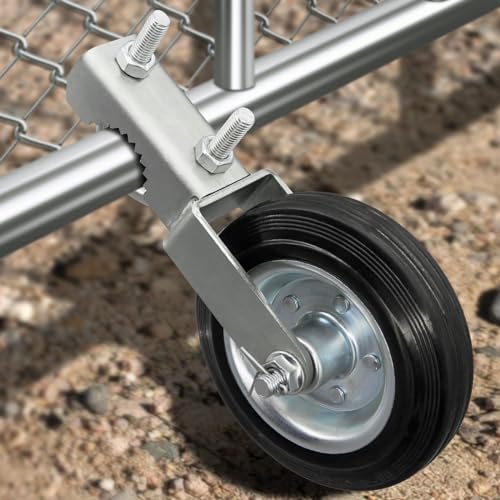
Adjustable gate wheels offer versatility as they allow for height adjustments based on the specific needs of the gate. This feature is particularly beneficial in uneven terrain.
- Advantages:
- Customizable height to accommodate various gate designs.
- Ideal for uneven surfaces or sloped areas.
- Disadvantages:
- Can be more expensive than standard options.
- Installation may be more complex due to the adjustable mechanism.
Heavy-Duty Gate Wheels
Heavy-duty gate wheels are designed for commercial or industrial applications where gates are subject to frequent use and heavier loads. They are typically made from high-strength materials.
- Advantages:
- Can support very heavy gates and high traffic.
- Durable and long-lasting, reducing the need for frequent replacements.
- Disadvantages:
- Higher initial cost compared to other options.
- May require professional installation due to weight and size.
Factors to Consider When Choosing Gate Wheels

Selecting the right gate wheel involves considering a variety of factors. Here are several key considerations to keep in mind:
- Weight of the Gate: Heavier gates will require more robust wheels for adequate support.
- Frequency of Use: High-traffic areas may benefit from heavy-duty or rubber wheels for smoother operation.
- Environmental Conditions: Consider the climate and potential exposure to moisture or chemicals that could affect material durability.
- Surface Type: The ground surface (grass, gravel, concrete) may influence the type of wheel best suited for your gate.
- Budget: Determine how much you are willing to spend, keeping in mind that higher-quality options may save money in the long run through durability.
Case Studies and Examples
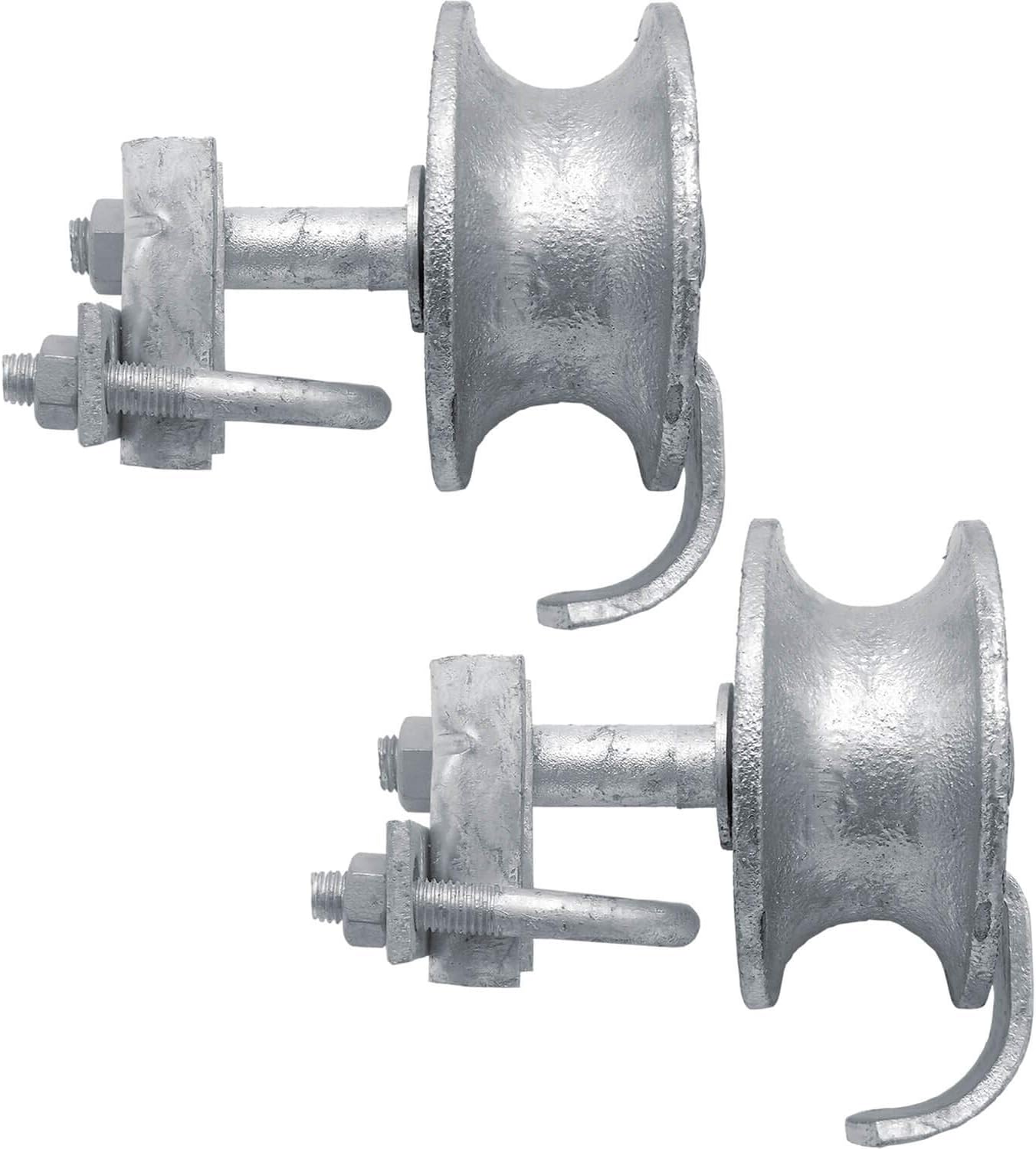
To further illustrate the importance of choosing the right gate wheel, consider the following examples:
- Residential Application: A homeowner installed a plastic gate wheel for a lightweight garden gate. After several months, the wheel began to crack under the weight of the gate. This led to the need for replacement with a metal wheel, which provided better support and longevity.
- Commercial Application: A local business opted for heavy-duty metal wheels for their industrial gate. The wheels successfully supported the weight of the gate and withstood daily use, demonstrating the importance of investing in quality components.
- Uneven Terrain: In a rural setting, a property owner installed adjustable wheels for a large gate on a slope. This allowed for smooth operation and minimized wear on both the gate and the wheels, showcasing the benefits of customization.
Choosing the right chain link fence gate wheel is essential for ensuring the functionality and longevity of your gate. By understanding the different types of wheels available—plastic, metal, rubber, adjustable, and heavy-duty—you can make an informed decision based on your specific needs. Consider factors such as the weight of the gate, frequency of use, environmental conditions, surface type, and budget before making a selection.
Ultimately, investing in the right gate wheels can lead to smoother operation, reduced maintenance costs, and a longer lifespan for your gate. Whether you are a homeowner looking to enhance your property or a business owner needing reliable access points, the right choice of gate wheel can make all the difference.