Garage doors are often overlooked components of a home, yet they play a significant role in the efficiency and functionality of residential properties. Among the various features that contribute to their performance, exhaust ports are an essential aspect that can enhance energy efficiency, facilitate better air circulation, and improve overall functionality. This article explores the role of exhaust ports in garage door systems, their benefits, and how they can maximize efficiency in modern homes.
Understanding Exhaust Ports in Garage Door Systems
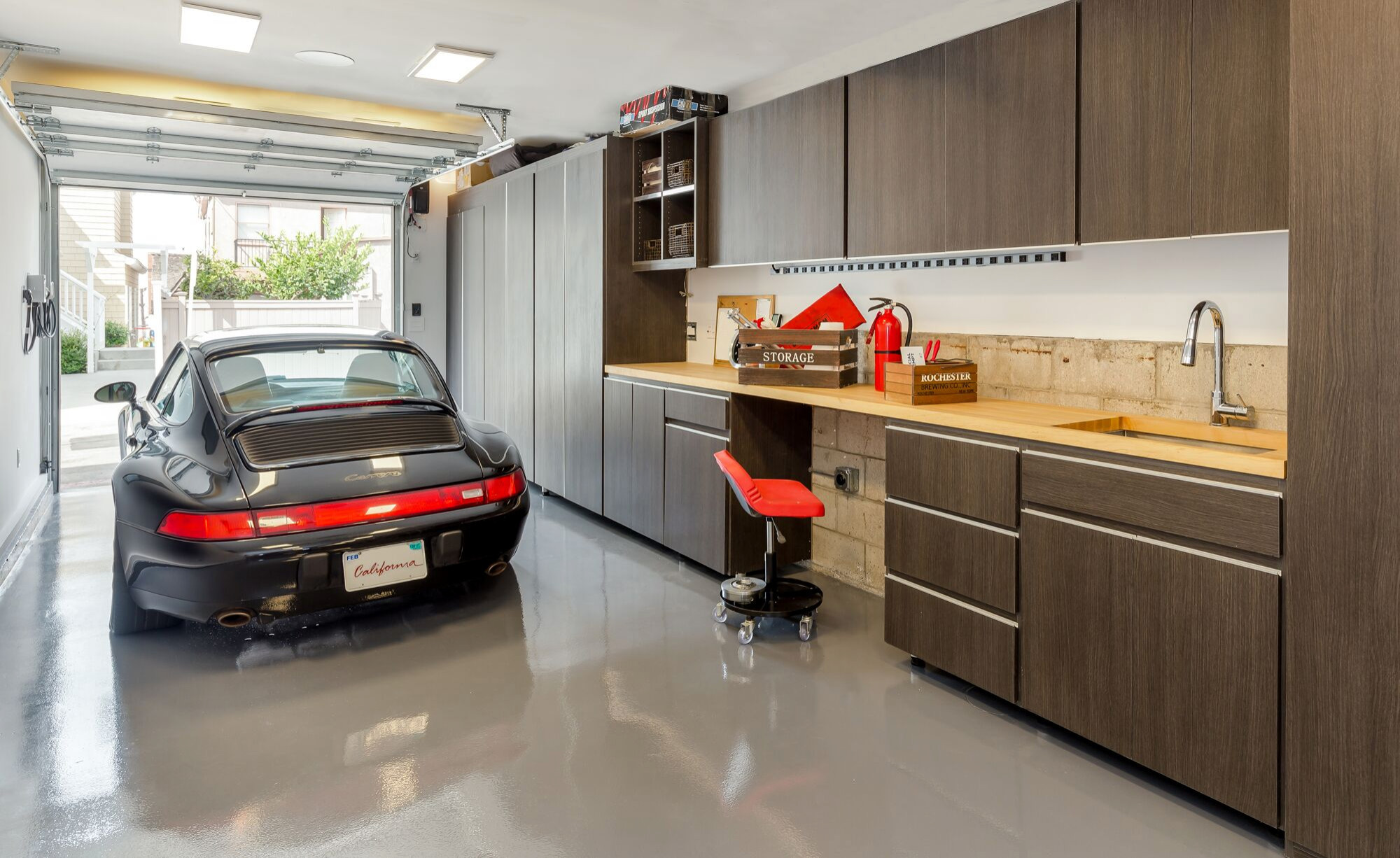
Exhaust ports are openings integrated into garage door systems that allow for the exchange of air between the garage and the outside environment. These ports can help regulate temperature, minimize humidity, and prevent the accumulation of harmful gases. Understanding their construction and purpose is essential for homeowners looking to improve garage efficiency.
- Design and Functionality: Exhaust ports are typically constructed from durable materials that can withstand the wear and tear of daily use. They are strategically placed to facilitate optimal airflow.
- Airflow Regulation: These ports allow for the introduction of fresh air while enabling stale air to escape, promoting a healthier garage environment.
- Integration with Garage Door Mechanisms: Exhaust ports must work in conjunction with the garage door’s opening and closing mechanisms to ensure they function properly without hindering the door’s operation.
The Importance of Air Circulation

Proper air circulation is vital for maintaining an efficient garage space. Poor ventilation can lead to a multitude of issues, including high humidity levels, unpleasant odors, and even the potential for mold growth. The role of exhaust ports in enhancing air circulation cannot be overstated.
- Humidity Control: Exhaust ports help reduce humidity levels by facilitating the escape of moist air, thereby preventing condensation that can damage stored items.
- Odor Management: Stale odors from stored chemicals, tools, or even vehicles can accumulate in enclosed spaces. Exhaust ports help mitigate these odors by allowing fresh air to circulate.
- Mold and Mildew Prevention: A well-ventilated garage is less likely to harbor mold and mildew, both of which can damage property and pose health risks.
Energy Efficiency and Cost Savings

In addition to improving air quality, exhaust ports can contribute to significant energy savings. By optimizing temperature control within the garage, these ports can reduce the need for heating and cooling systems to work harder.
- Temperature Regulation: Exhaust ports promote a balanced temperature by allowing excess heat to escape during warm months and retaining warmth during colder seasons.
- Reduced Energy Consumption: By minimizing the reliance on HVAC systems, homeowners can see a decrease in energy bills, contributing to long-term cost savings.
- Environmentally Friendly: Lower energy consumption translates to a reduced carbon footprint, aligning with environmentally sustainable practices.
Case Studies: Successful Implementations of Exhaust Ports
Several homeowners and commercial property owners have successfully implemented exhaust ports in their garage systems, leading to notable improvements in efficiency and comfort. Here are a couple of compelling case studies:
Case Study 1: Residential Garage Upgrade

A family in the Midwest faced significant humidity challenges in their garage, leading to mold growth and damage to their stored items. They decided to install exhaust ports in their garage door system, which allowed for better ventilation. After implementation:
- The humidity level dropped by an impressive 25% within the first month.
- The family reported a significant reduction in unpleasant odors.
- They experienced a 15% decrease in energy bills during the summer months due to improved temperature regulation.
Case Study 2: Commercial Warehouse Efficiency

A commercial warehouse operating heavy machinery found that poor ventilation was affecting the health of its workers and the efficiency of its operations. They integrated exhaust ports into their garage doors and experienced the following benefits:
- Improved air quality led to a 30% decrease in worker complaints related to respiratory issues.
- The warehouse saw a 20% reduction in energy costs due to better temperature management.
- Overall productivity increased as a result of a more comfortable working environment.
Installation Considerations for Exhaust Ports
While the benefits of exhaust ports are clear, proper installation is crucial to ensure their effectiveness. Here are some key considerations:
- Location: Choose locations that maximize airflow while minimizing the risk of water intrusion or pest entry.
- Size: The size of the exhaust ports should be appropriate for the garage’s dimensions to ensure effective ventilation.
- Materials: Select durable materials that can withstand exposure to harsh weather conditions and potential impacts.
- Professional Installation: Consider hiring professionals to ensure that exhaust ports are installed properly and integrated into the garage door system effectively.
Maintenance of Exhaust Ports

To maximize the efficiency of exhaust ports, regular maintenance is essential. Here are some maintenance tips:
- Regular Cleaning: Dust and debris can accumulate in the ports, obstructing airflow. Regular cleaning will maintain optimal performance.
- Check for Damage: Inspect ports periodically for cracks or other damage that may compromise their function.
- Ensure Proper Functionality: Test the ports regularly to ensure they open and close properly without obstruction.
Exhaust ports are a crucial yet often overlooked component of garage door systems that can significantly enhance efficiency and functionality in residential and commercial properties. By facilitating better air circulation, controlling humidity, and improving energy efficiency, these ports offer a range of benefits that contribute to a healthier and more cost-effective garage environment. Through proper installation and maintenance, homeowners and business owners can maximize the potential of exhaust ports, leading to a comfortable, efficient, and sustainable space. The case studies presented illustrate the transformative effects that exhaust ports can have, underscoring their importance in modern garage design. As we continue to prioritize efficiency and sustainability in our homes, the role of exhaust ports will undoubtedly remain pivotal in achieving these goals.